 The Story of a New Name by Elena Ferrante
My rating: 5 of 5 stars
My Brilliant Friend was childhood and the end of childhood. The Story of a New Name takes us and our two heroines from this point through dramatic events into the future. Though it only spans a few years, there is so much that happens in their lives it feels like a longer period.
I was stunned by the Neapolitan novels, and read them in quick succession. Now looking back to try to do a short review, I still feel their power. I was so caught up in these stories which were unfamiliar to me, and startling. Even the opening of the book, which I perhaps rushed over to get to the narrative, is shocking. Lila gives Elena her diaries to keep for her and tells her not to read them. Lila reads them. And then tosses them into the river. Like many of the actions of characters in these novels, I believe what’s happening because I have been given enough insight into their character to understand at least some of what they’re doing, and at the same time, I am shouting, ‘No.’ Such a betrayal of confidence, and all of those words lost.
This is a violent book, and hard to read about Lila being beaten and raped by her husband, the attempts to get pregnant, the ostracising of her by his family. It is a strange book the way that it weaves commerce and daily bread into the story, as is necessary, as we need to survive as well as love and hate. So, there are struggles of where to work and who is working where and how wealth is gained and displayed.
It is a contrast then, to Elena’s path, where her way out of her poor neighbourhood and away from her family and the constrictions of life is through studies. Anyone who loves scholarship, and whose studies meant something to them, will be cheering Elena on as she wins a scholarship to university, becomes involved in student life and then begins writing.
I was reading the novels as the #metoo movement was gaining force and becoming vocal, which made the treatment of women and infidelities feel even more uncomfortable. It is a complex web: both Elena and Lila assert authority in their own ways, and yet with negative consequences. Lila takes a lover (Nino, the elusive main male character of the novels), falls pregnant which eventually leads to the full breakdown of her marriage, her moving out from her husband, and her loss of status and wealth. And because Lila has taken a lover, who Elena has desired for so long, she allows herself to have sex, for the first time, with Nino’s creepy father, Donato. I found this incident perhaps the most memorable and disturbing of the whole series.
The events at the end of the book were a surprise: Elena publishes a novel about herself, including the incident with Donato; but disguised. It is successful. She goes to find her old friend Lila working in terrible conditions in a factory. This surprised me too, this fall from grace, how Lila was an object of envy and desire for her brilliance and ability, and is now working her fingers to the bone.
Amazing, tough, gritty and psychologically powerful, and of course made me rush to get into the third novel of the series!
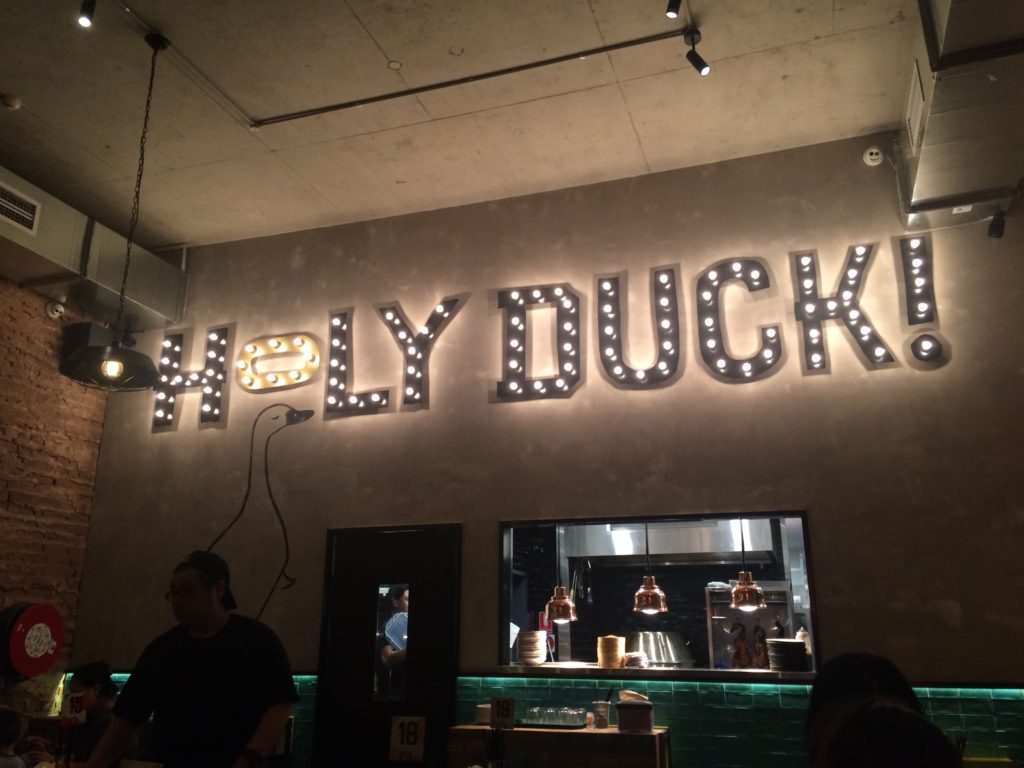
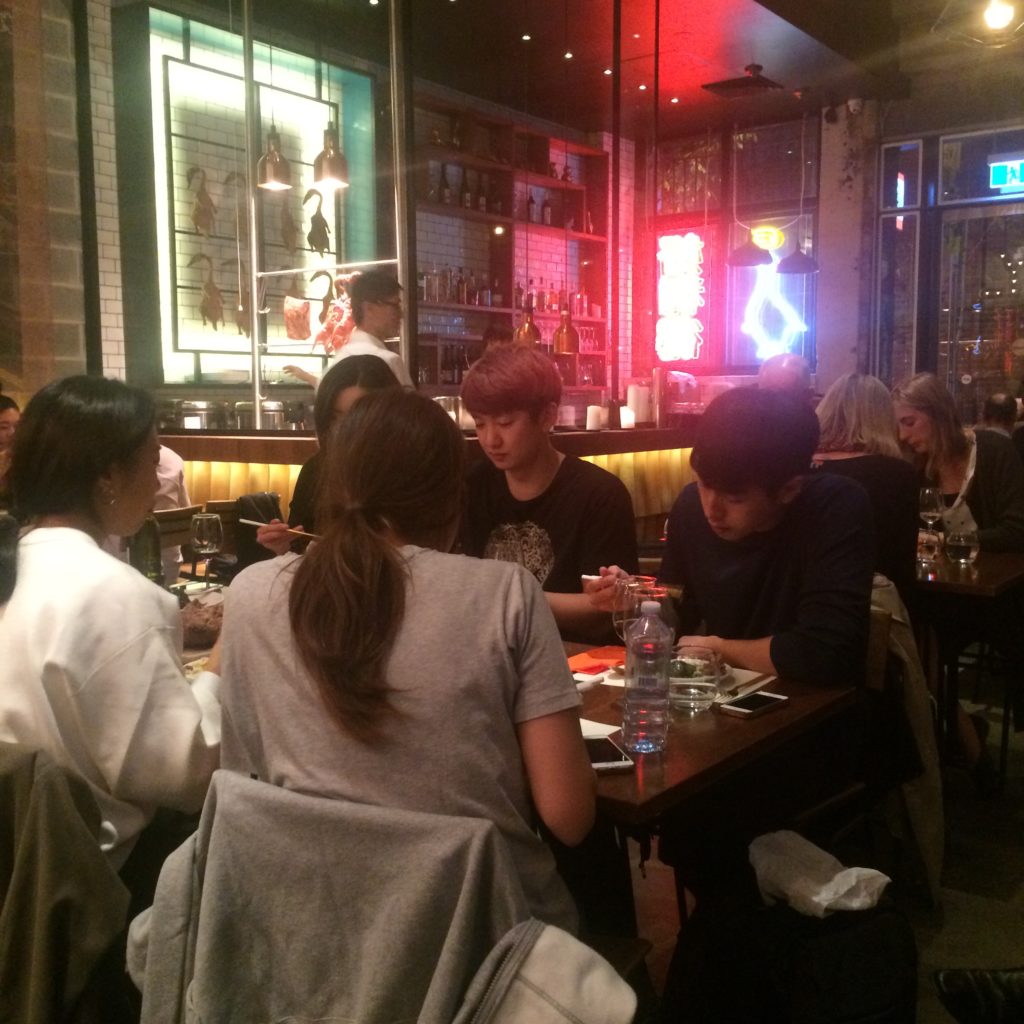 These dumplings, with duck and pork, had a firmer texture than usual, in an interesting and delicious way.


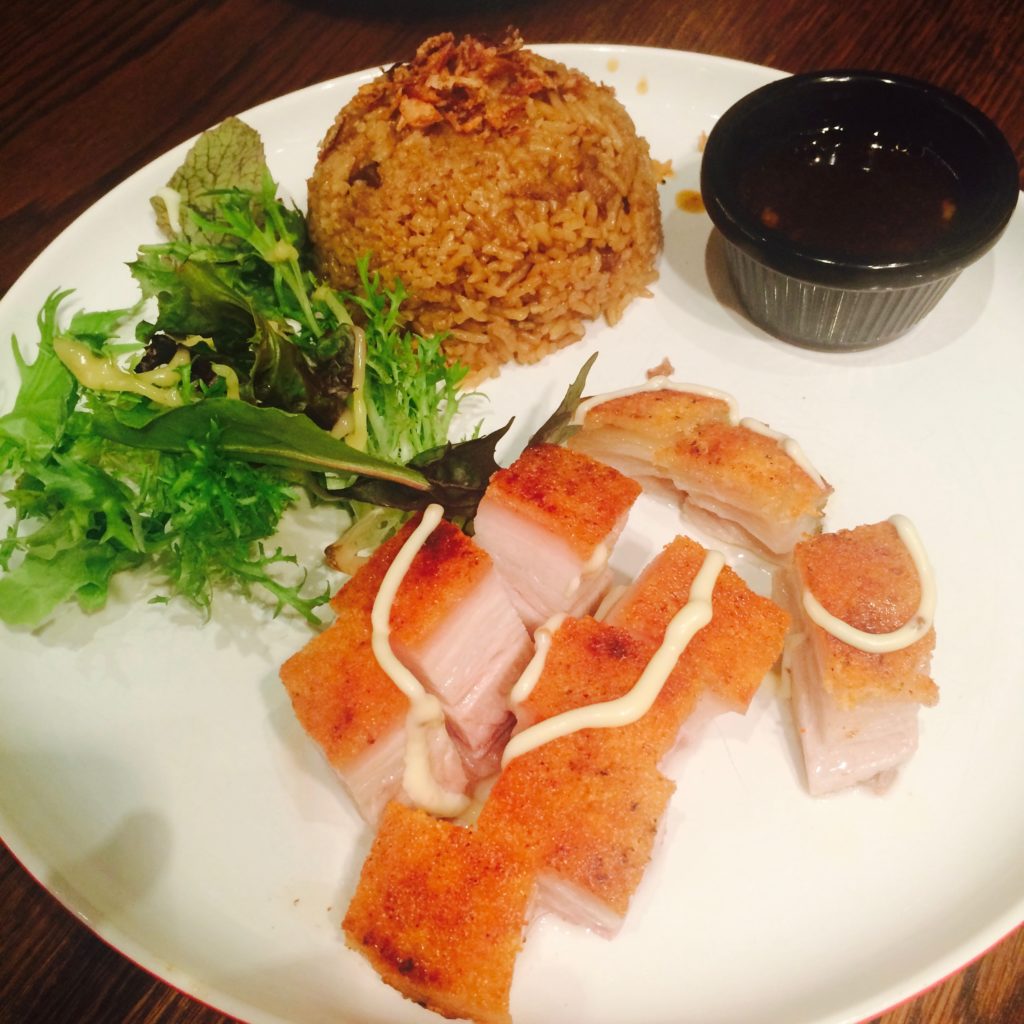
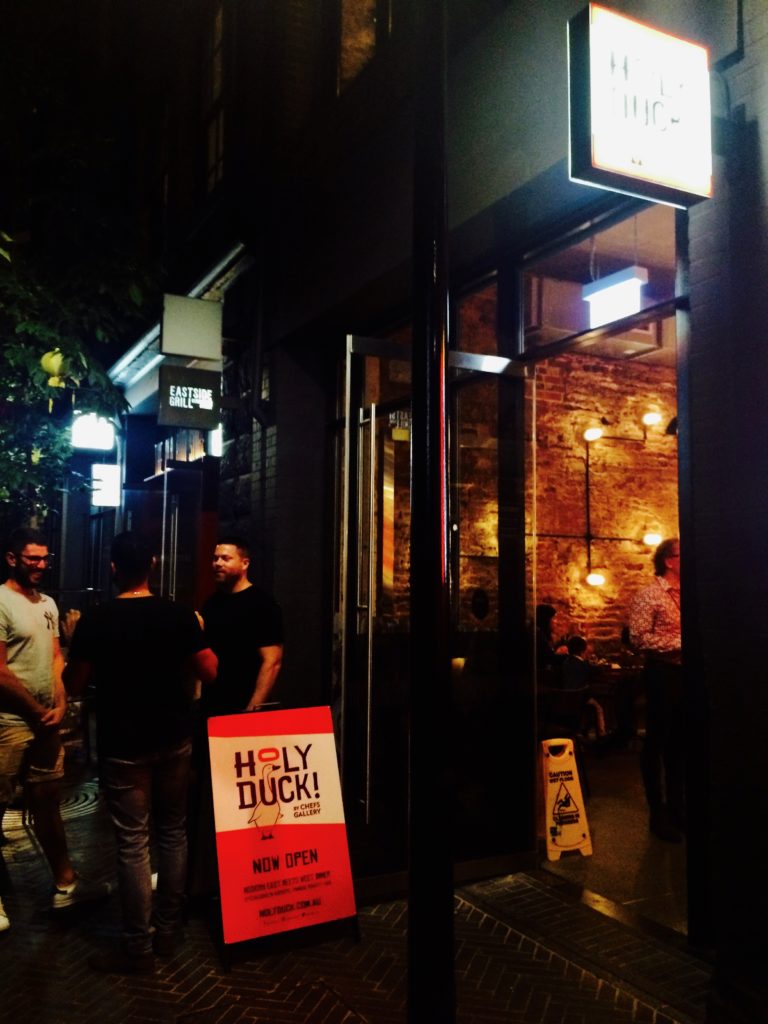 We thought we might have ordered too much food but it was almost the right amount. The crispy roast pork belly plate was a modest amount… but very tasty, and I loved the taro rice.
 I always love lotus root chips. Yum.
 We ordered half a duck, crispy skin and roasted, and the waitress pulled apart some of the meat at the table when she brought it, just to show us how it was done. A generous amount of pancakes (unusually, and we even left one) and you know, duck, raw green onions, cucumber, hoi sin and Chinese pancakes is a magical combination that you just can’t match. It’s true that this was not the lacquered duck pieces that you’d get at a Chinese banquet, so it was a variation, but god, it was tasty.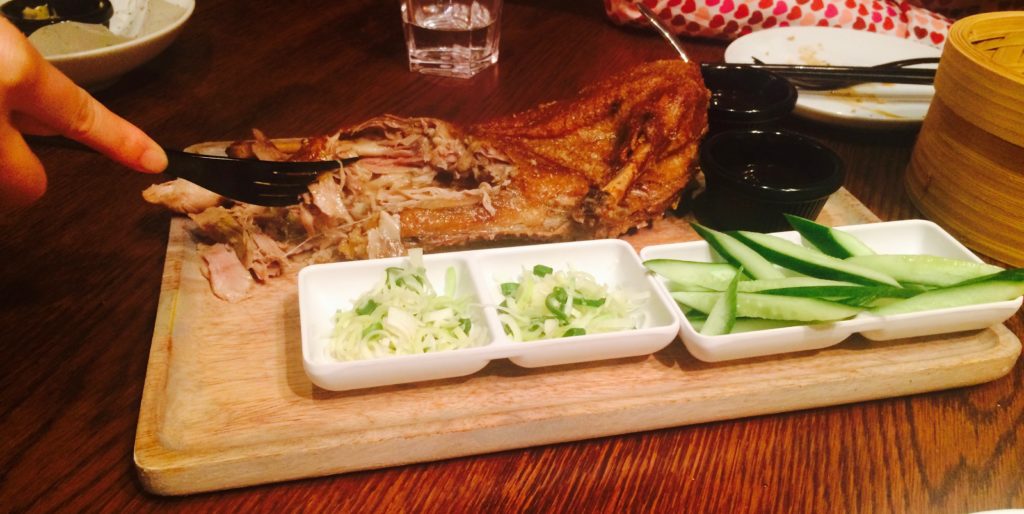


 Nestled behind Kings Cross at the end of Kellett Street is the House Bar and Bistrot. Chef Mauro Forgillo, who has worked at Fratelli Fresh, Rockpool and Merivale restaurants had the dream to open his own restaurant, and he’s achieved it at 27-years-old. The result is a charming place in two adjoining terrace houses, serving food that highlights good produce and tasty simple cooking.
 We came partly because they also feature a vegetarian menu, though we mixed it up with some seafood dishes as well. Starting off with a selection of starters of sourdough bread ($12-13 each for four), it was fun deciding among the three of us which were our favourite (and who would then get the second piece).
 I liked the simplicity and savoury-sour hit of the marinated sardines. The others thought that dish needed another element, to be as tasty as the pear-honey-gorgonzola one, or the pumpkin-thyme-parmigianno.
 For a main, I had homemade ravioli with lardo and wild mushrooms. It was tasty and I love homemade pasta. My pals split a Tagliolini with king prawns, garlic and chili ($26) and they raved about the taste of the prawns.
 We accompanied it with a generous fennel salad.
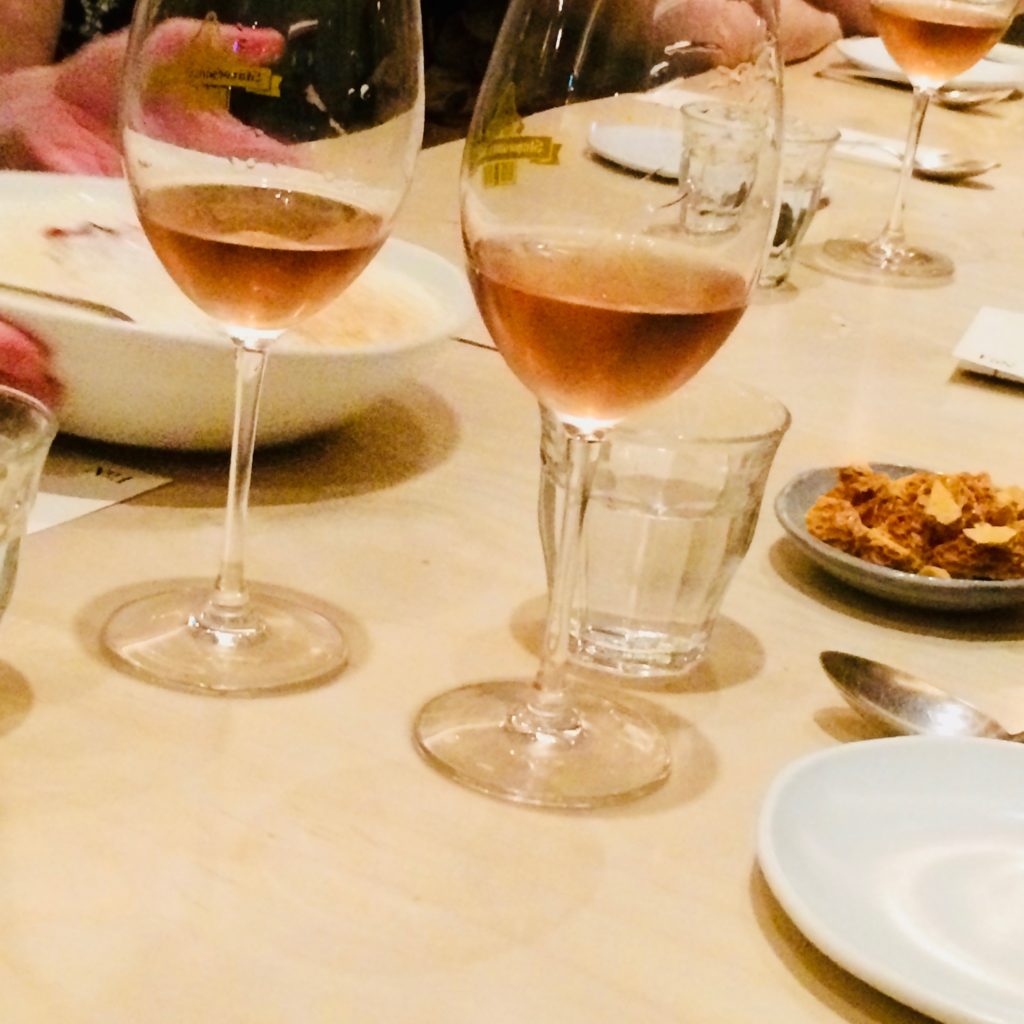
 We matched it with a bottle of, first, Venician white wine, organic I believe (which I preferred), and followed it with an Australian pinot gris (which my friends preferred).
 I found it all in all very charming, though I’m a little worried about them finding a clientele. Kellett Street SHOULD be busy, and once was, and has an interesting mix of restaurants (who else remembers the hat restaurant on this street where diners chose hats from the walls to wear during the meal: a fun idea for a party).
 And on Anzac Day, it was pretty quiet, except for the occasional sailor walking by. But it’ll be hard to get walk-by traffic here, and the name ‘House’ doesn’t, to me, point to the best part of the restaurant, a friendly feeling of Italian authenticity.
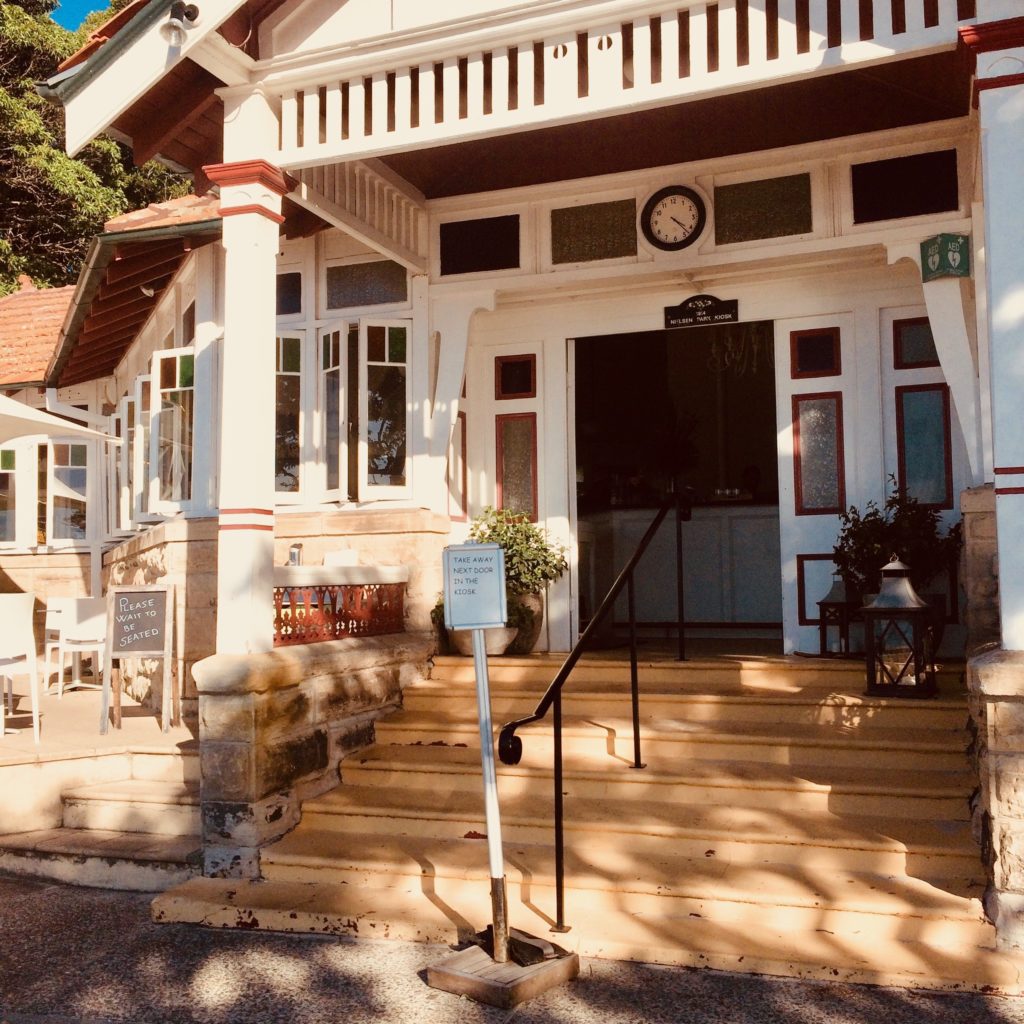 I really wasn’t expecting at a beach during school holidays to pop into a restaurant and for it to be so elegant. But it was. Fine dining in a lovely location and a very pretty old house at Nielsen Park.
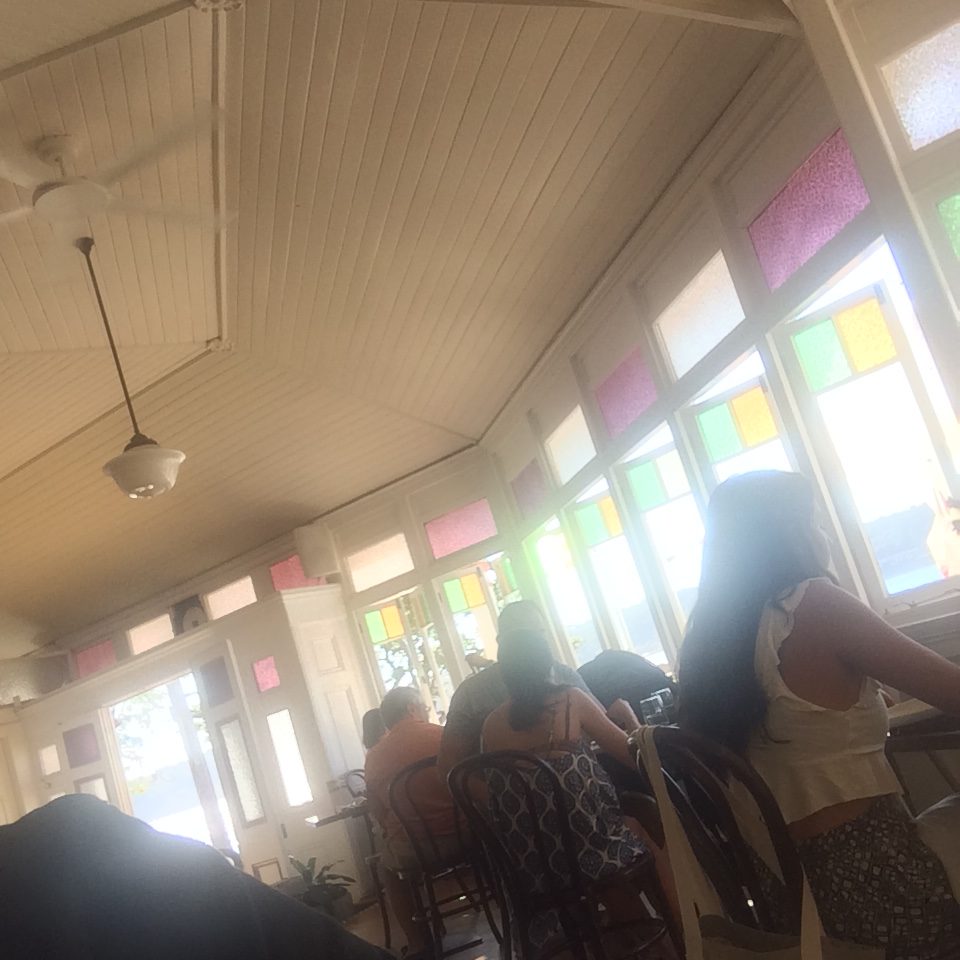 We opted for the lunch special which gave us a main, a side dish and a glass of wine ($39 each). We also had some delicious Sonoma Sourdough and some eggplant croquettes (I quite liked them but I think my friends weren’t as impressed). I had black mussels, which, coming with pieces of silver dory and calamari, was more like a seafood stew, then say, moules and frites. It was very tasty, as was the wine. My pals liked their meals too.
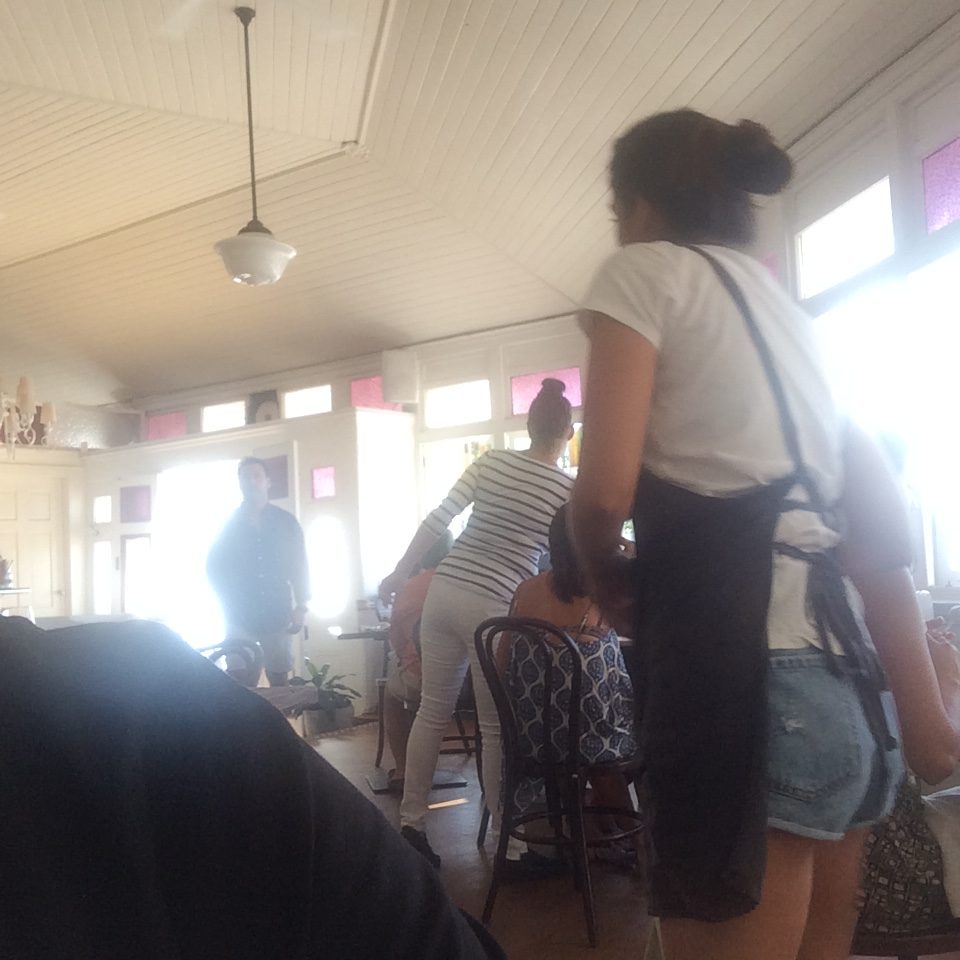 It was one of those occasions where I was enjoying myself and the day so much that I forgot to take photos of the food. Ah well, next time.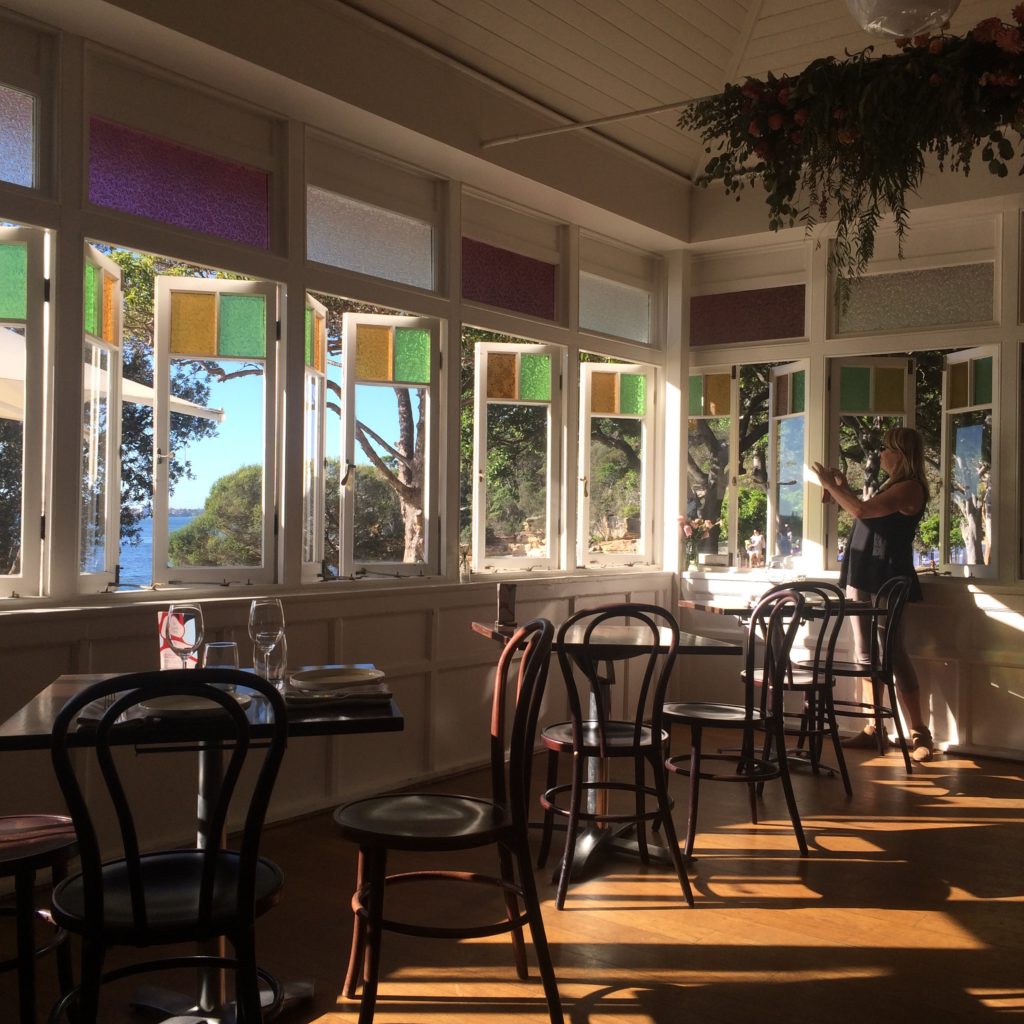
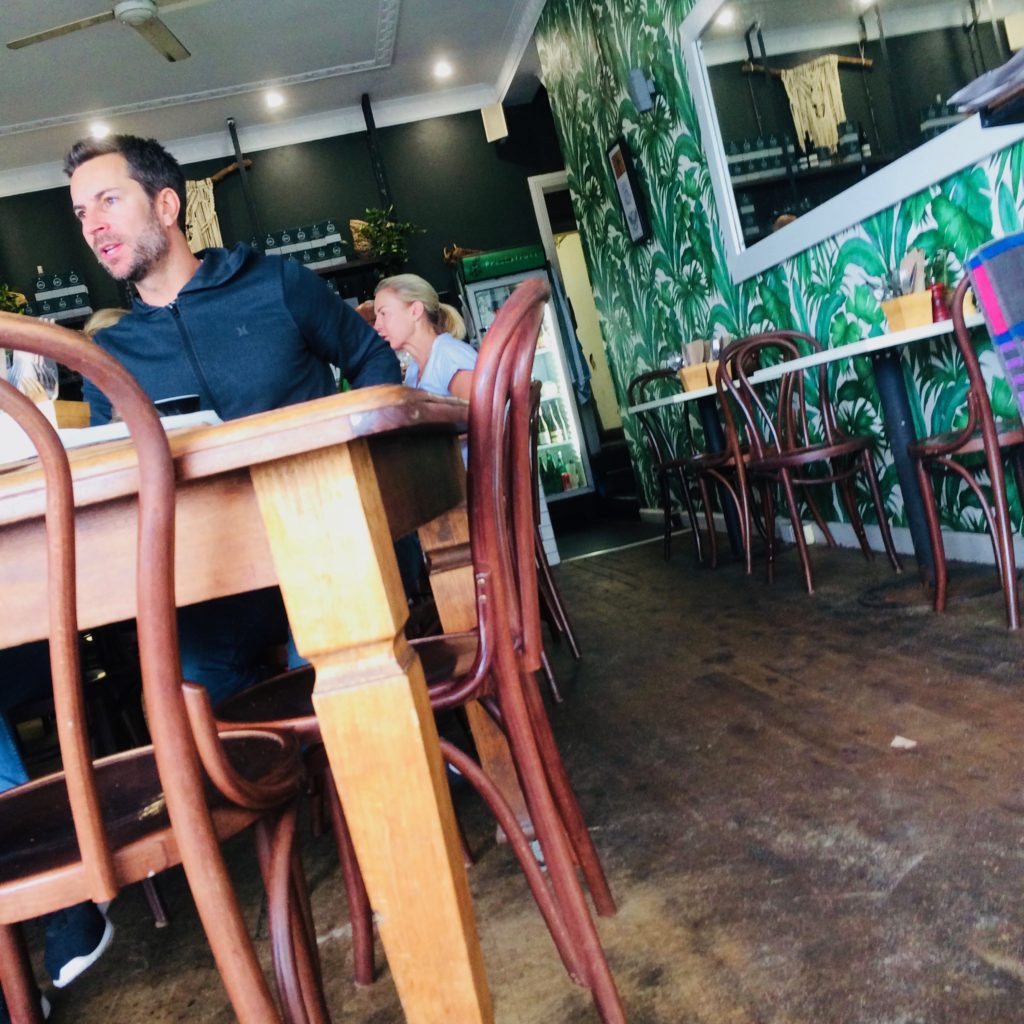 So, I took my dear friend Daniel on the Bondi to Coogee coastal walk, and we, of course, needed sustenance en route, particularly after a swim at Bondi Icebergs. Cafe Salina has slightly higher ratings on Zomato than the other cafés so I thought it was worth a try. And I’m glad we did.
 I had the corn and polenta fritters with bacon ($19.50) and it was a classic Sydney café dish: it was very tasty. Daniel had the gyros, which much have been on the specials as I don’t see it on their menu now. He polished it off.
 A nice location, very nice guy who served us (the manager?) and we were happy campers.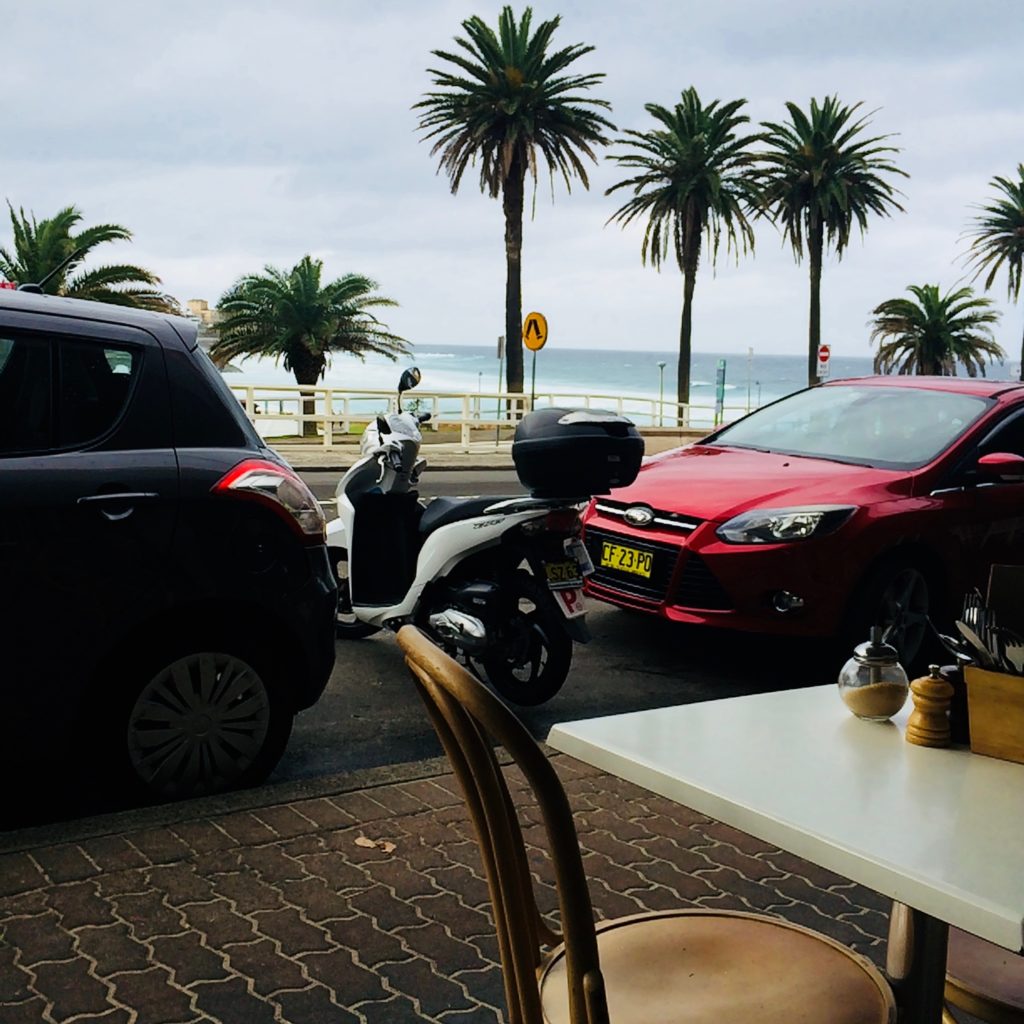

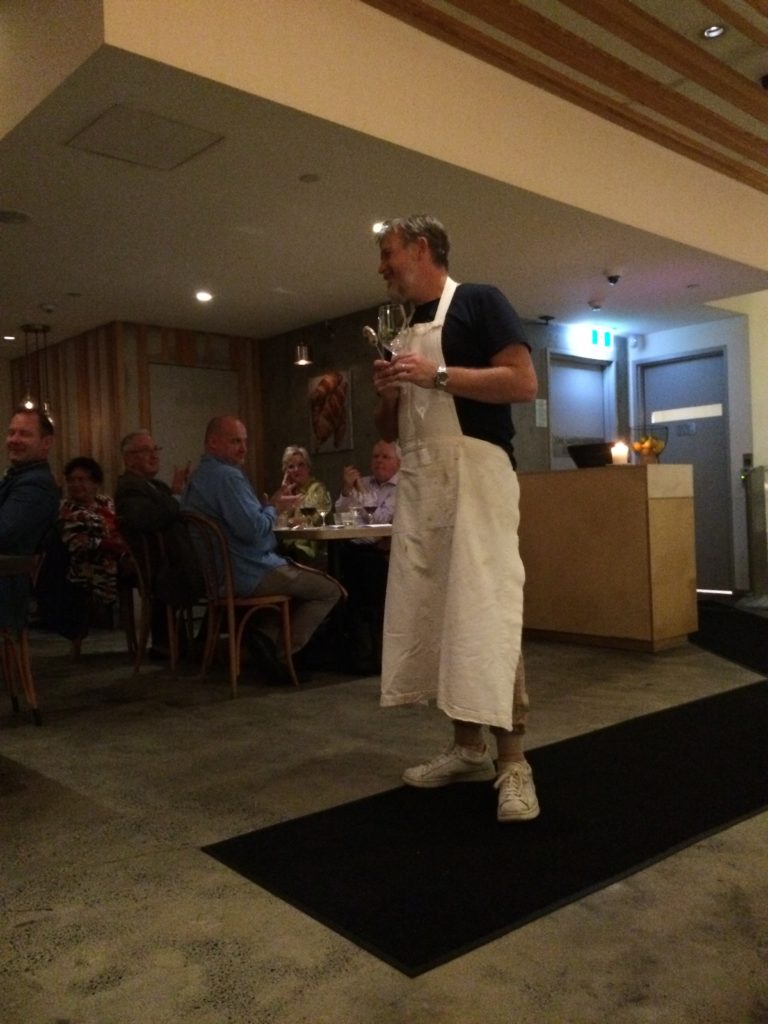
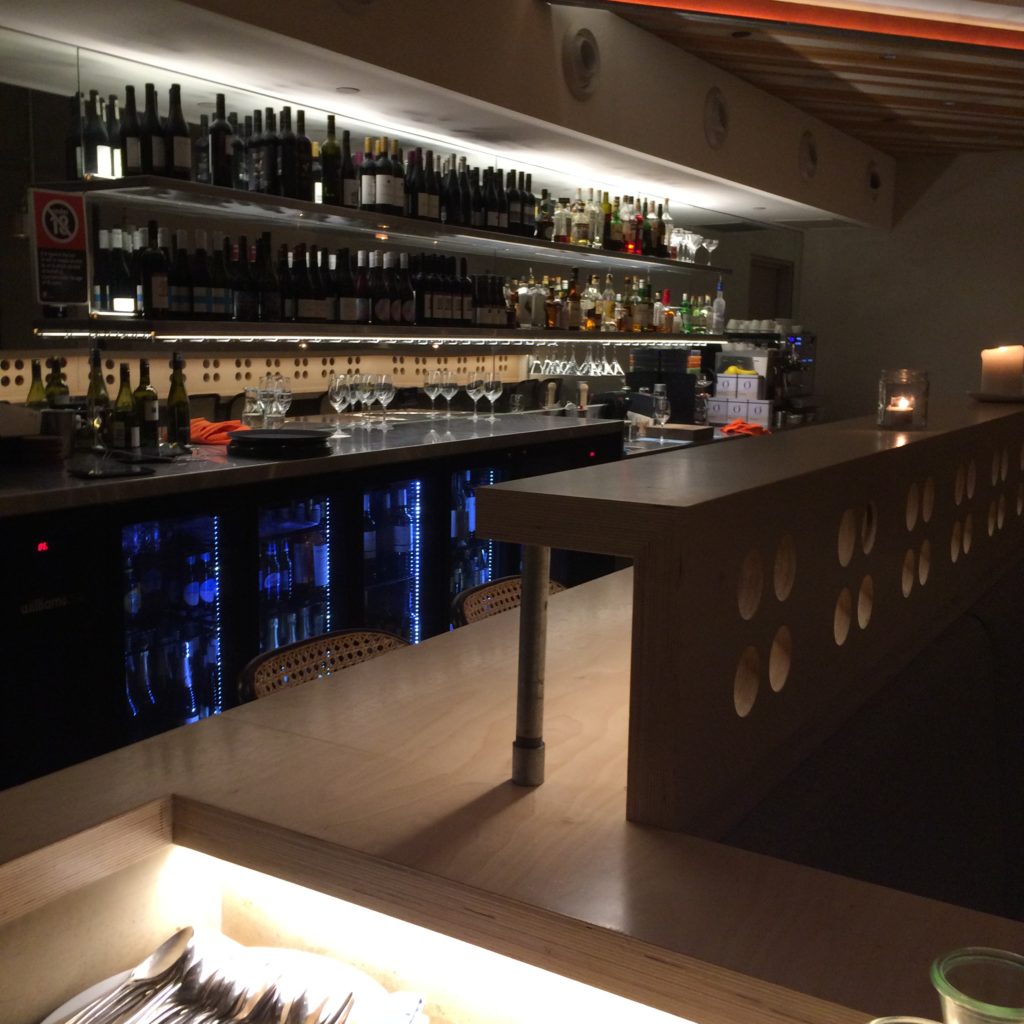
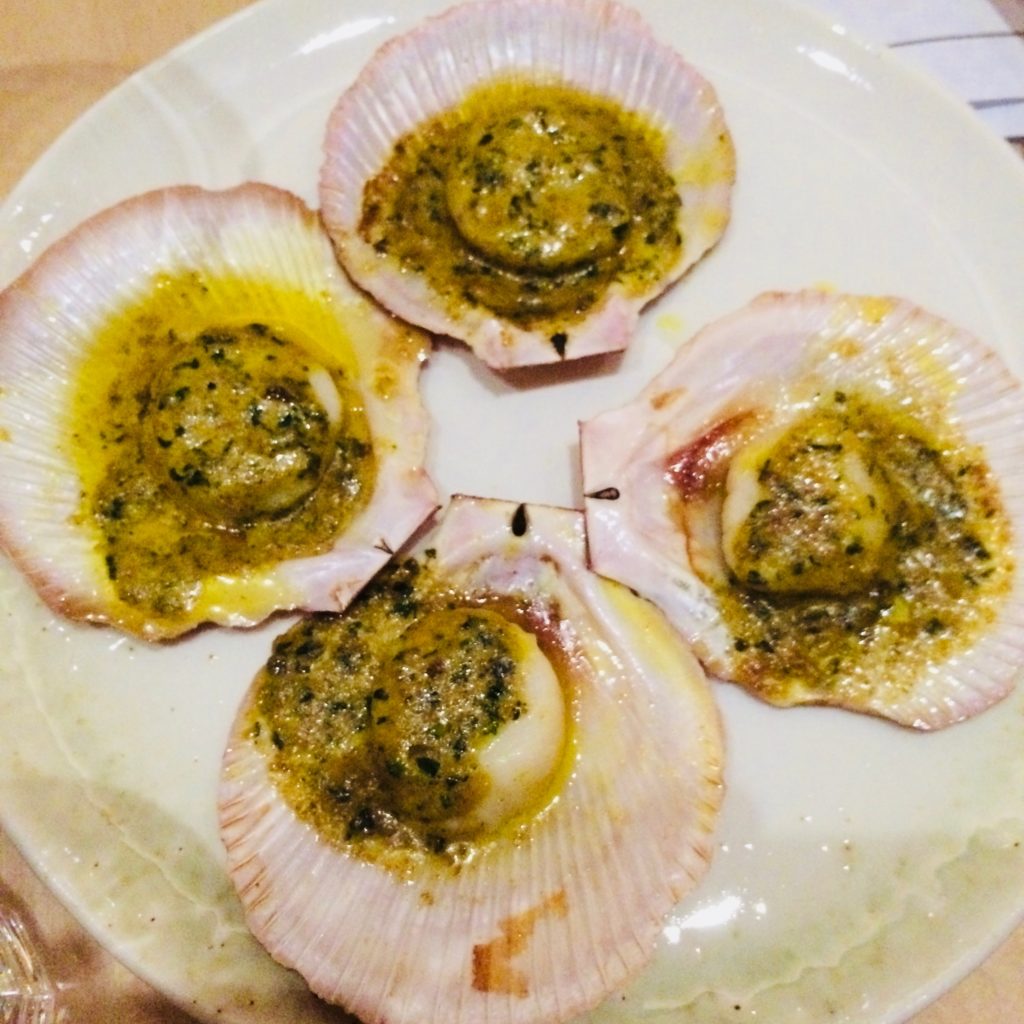
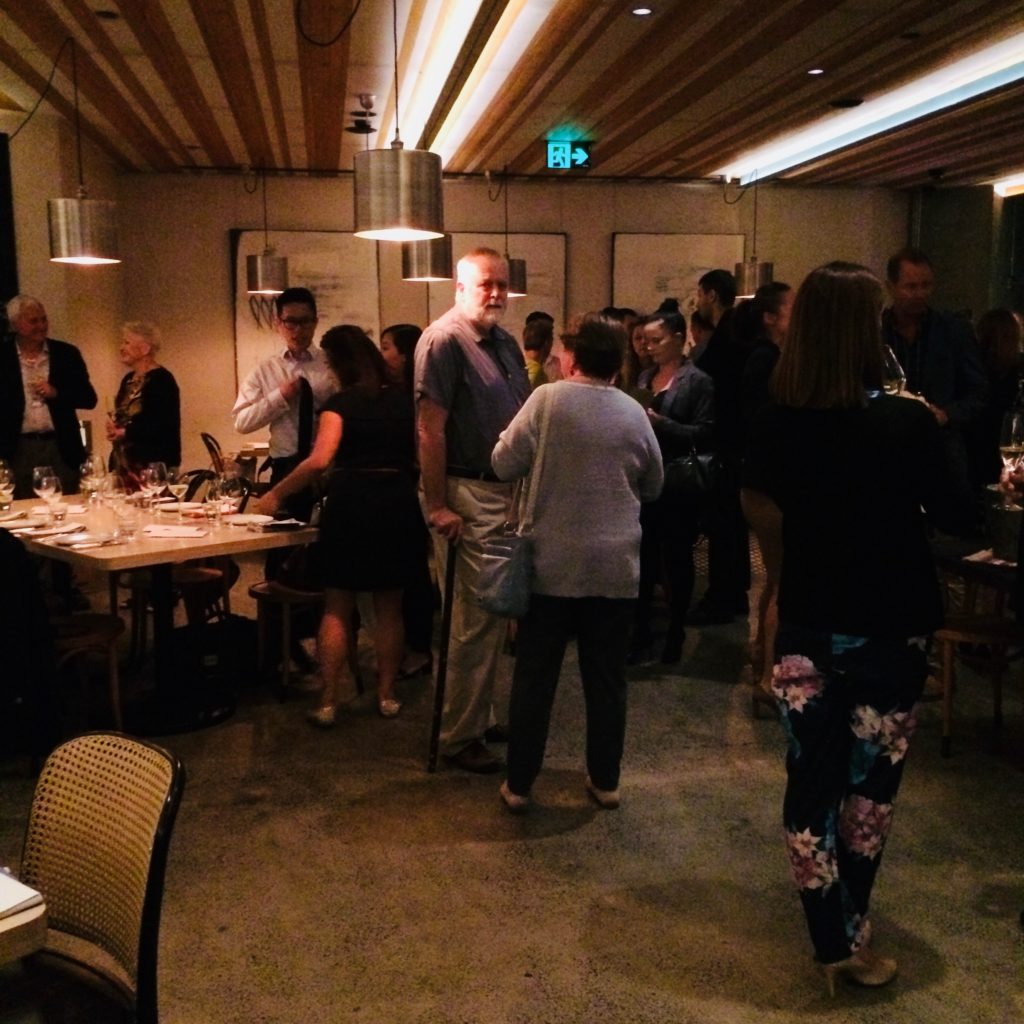 I digress. But I do still love the Entertainment Book (with much of the profits going to charities which you can choose: Mine is Sydney Pet Rescue and Adoption though I also bought books from the Cancer Council in the past). And I’ve been to a few amazing special dinners, like this one, where they bring together a winery and a fine dining restaurant. It’s a good pairing. And this event was the most generous with the wine of any I’ve been to so far!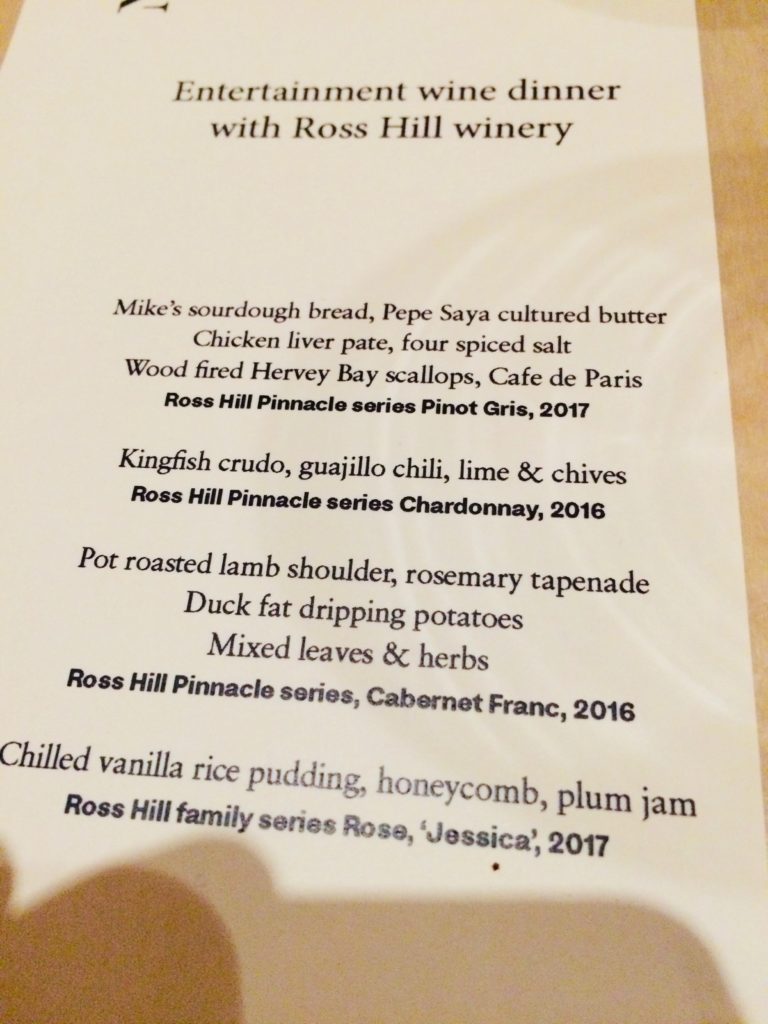
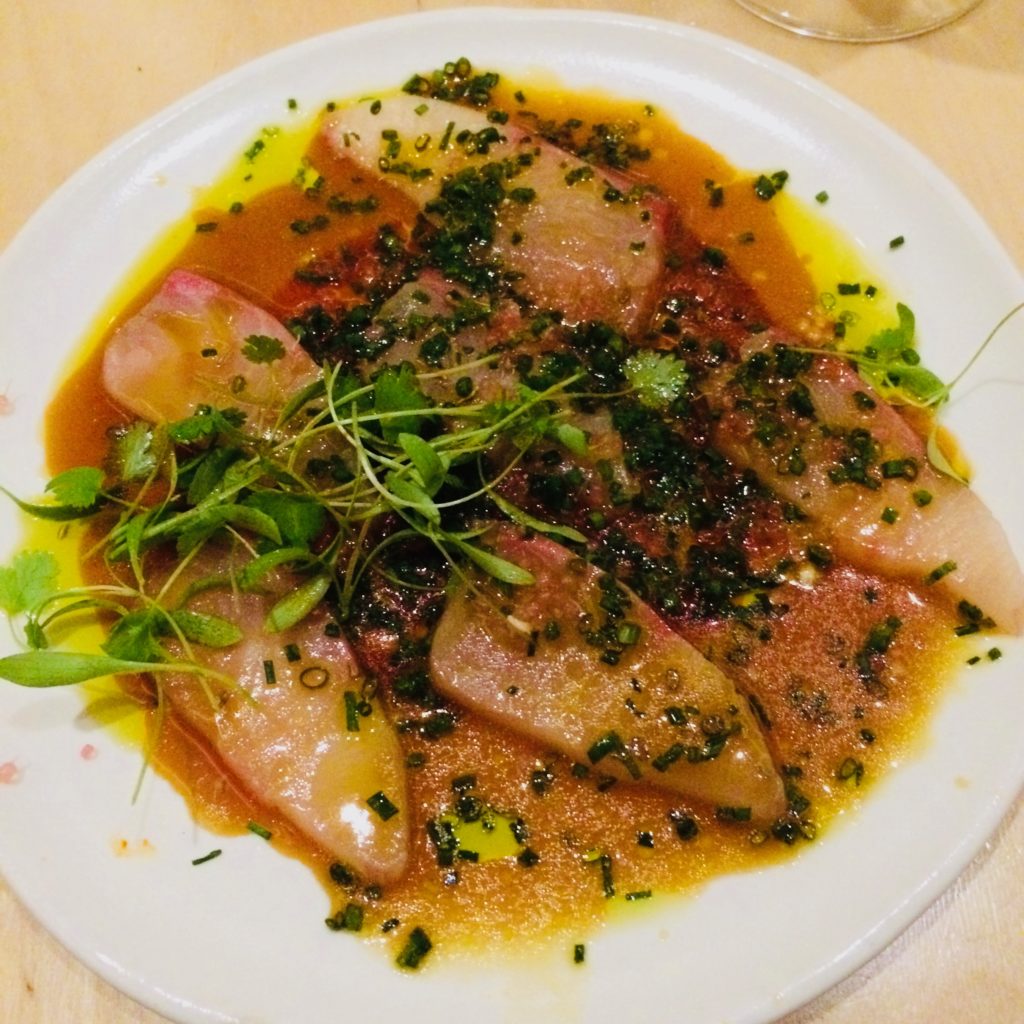
 Next was a beautiful kingfish dish.
 Mike’s ethos is to provide food sourced from the best provenance, and there’s also a combination of the feeling of eating at home, but amped up to fine dining, I suppose it felt like being invited over to a great chef’s home for a meal! So, pretty fun I’d say to go with a group of four. Our table arrangement with eight people passing around the plates was a little awkward, I have to admit.
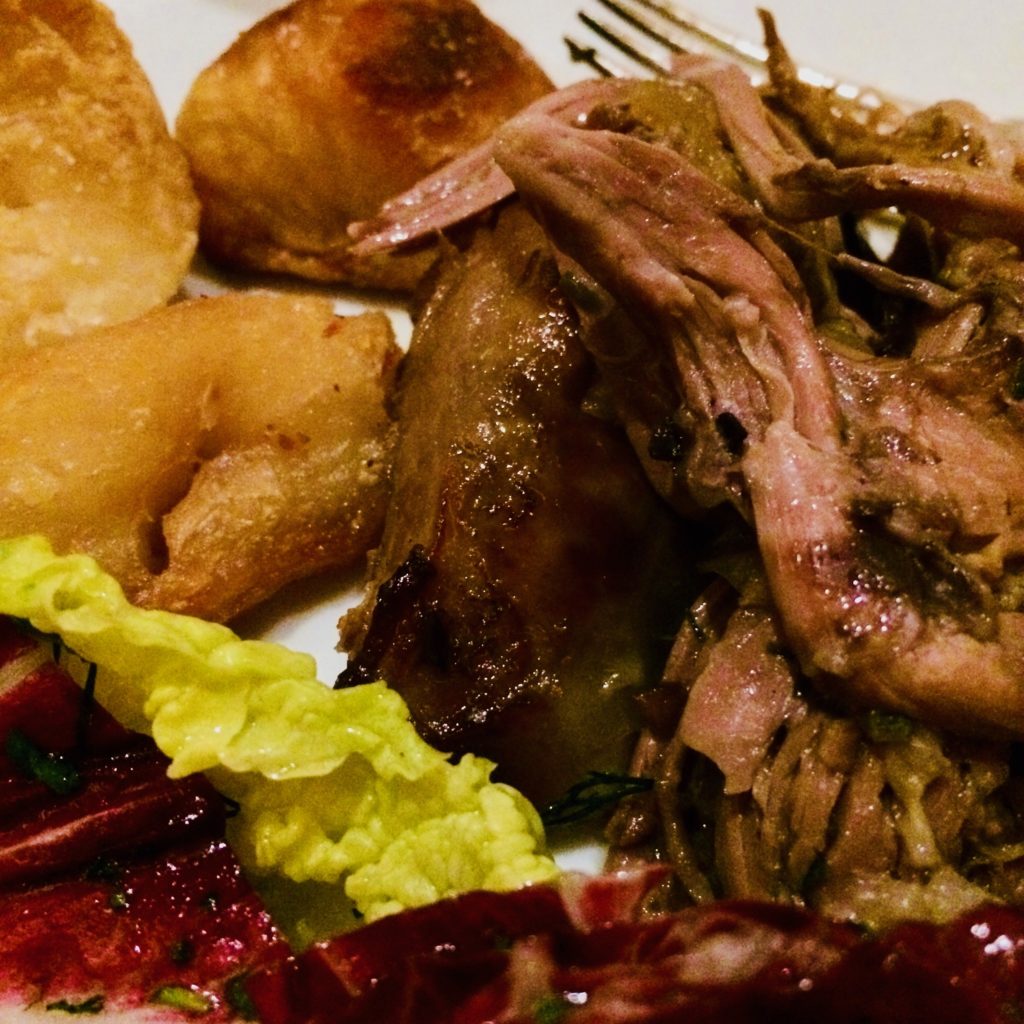
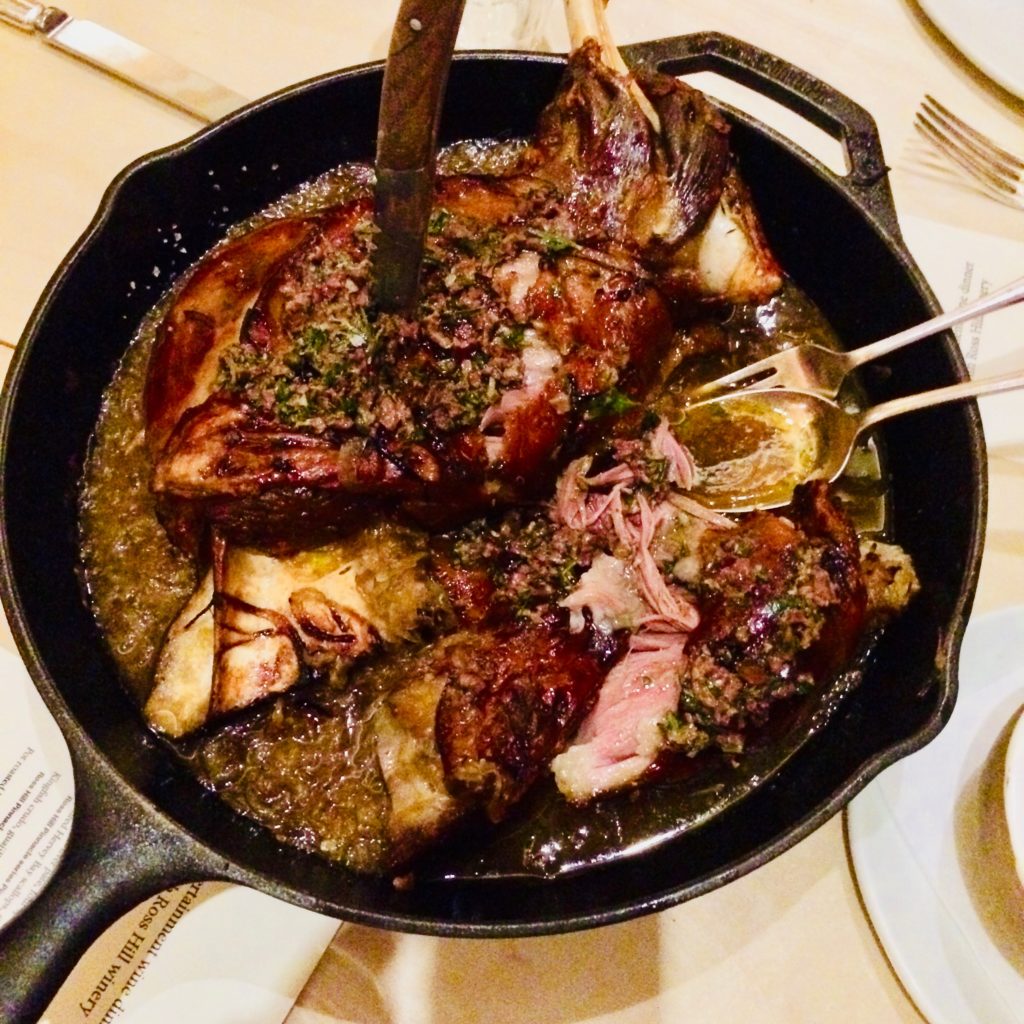 Still, the lamb, served in a fry pan, was melt in your mouth and it was served up with duck fat potatoes, appropriately crispy.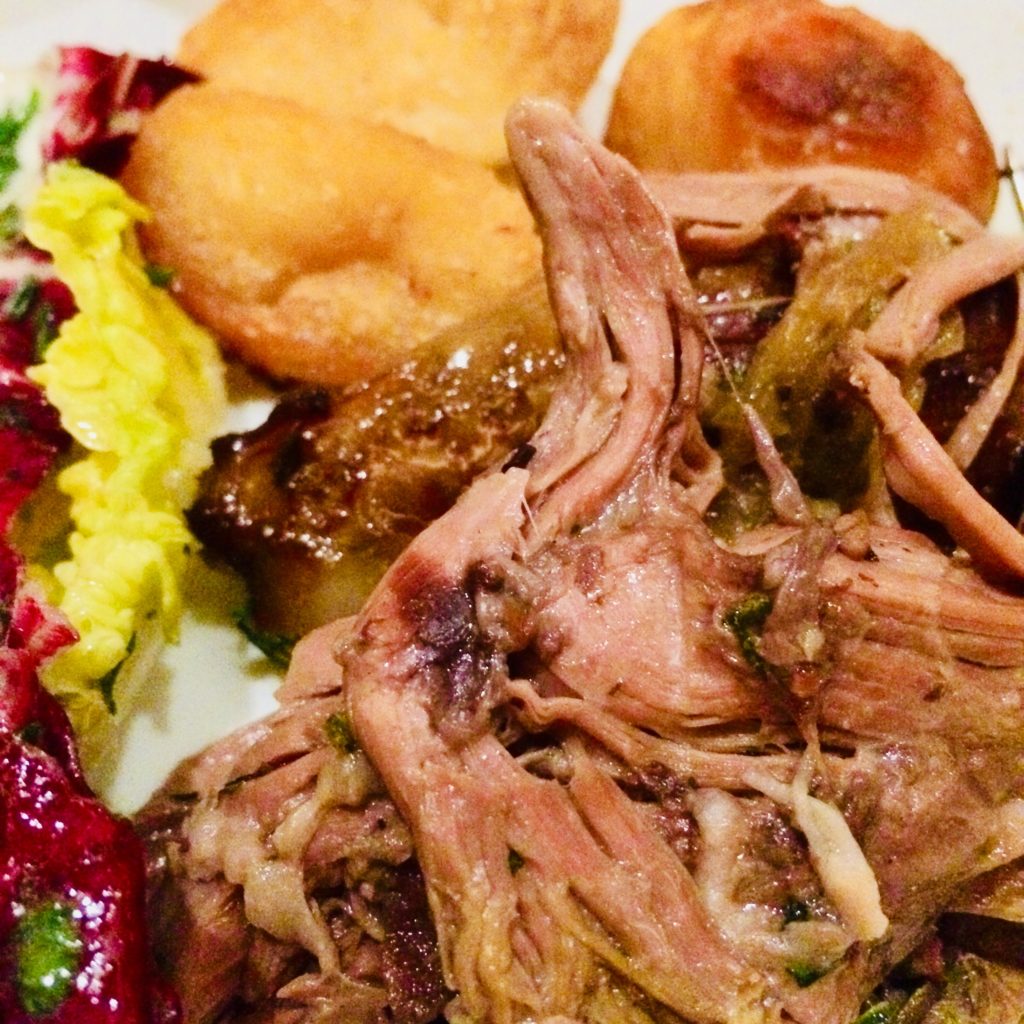

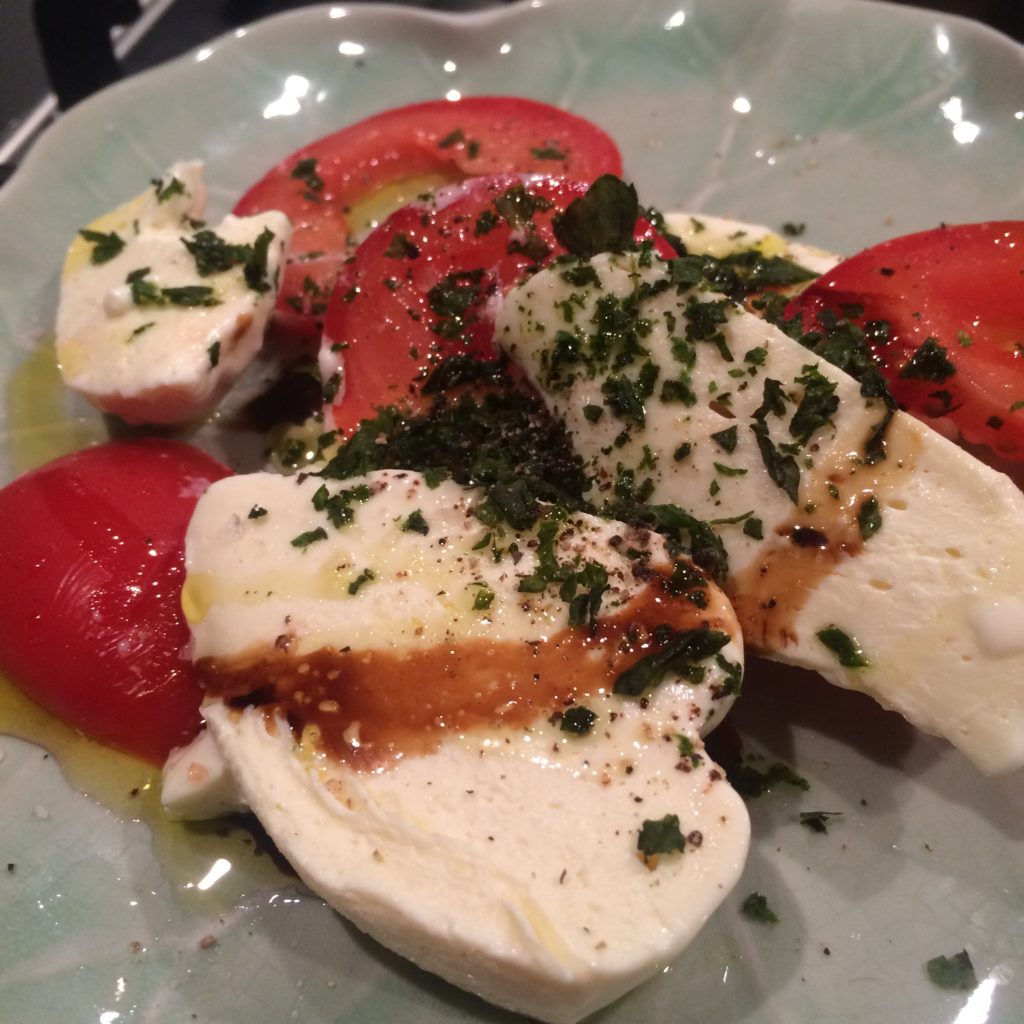

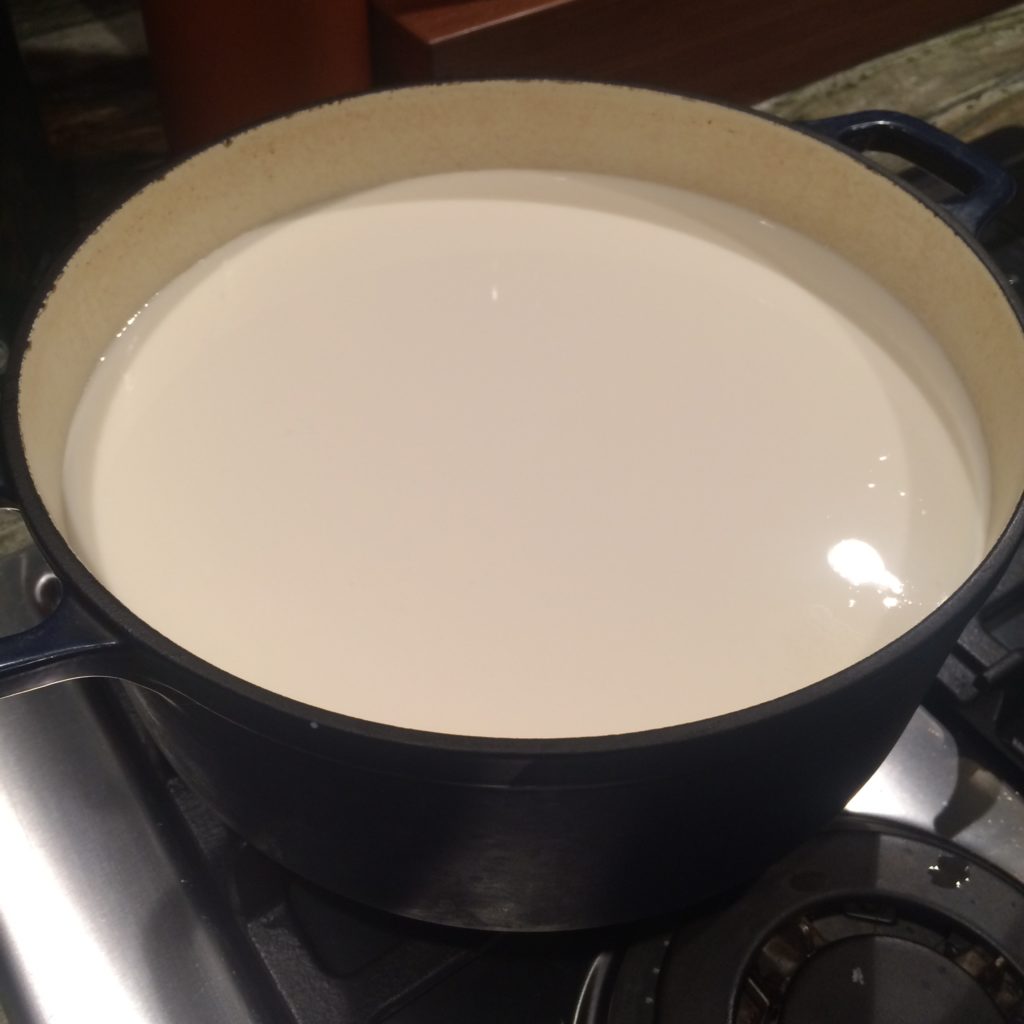
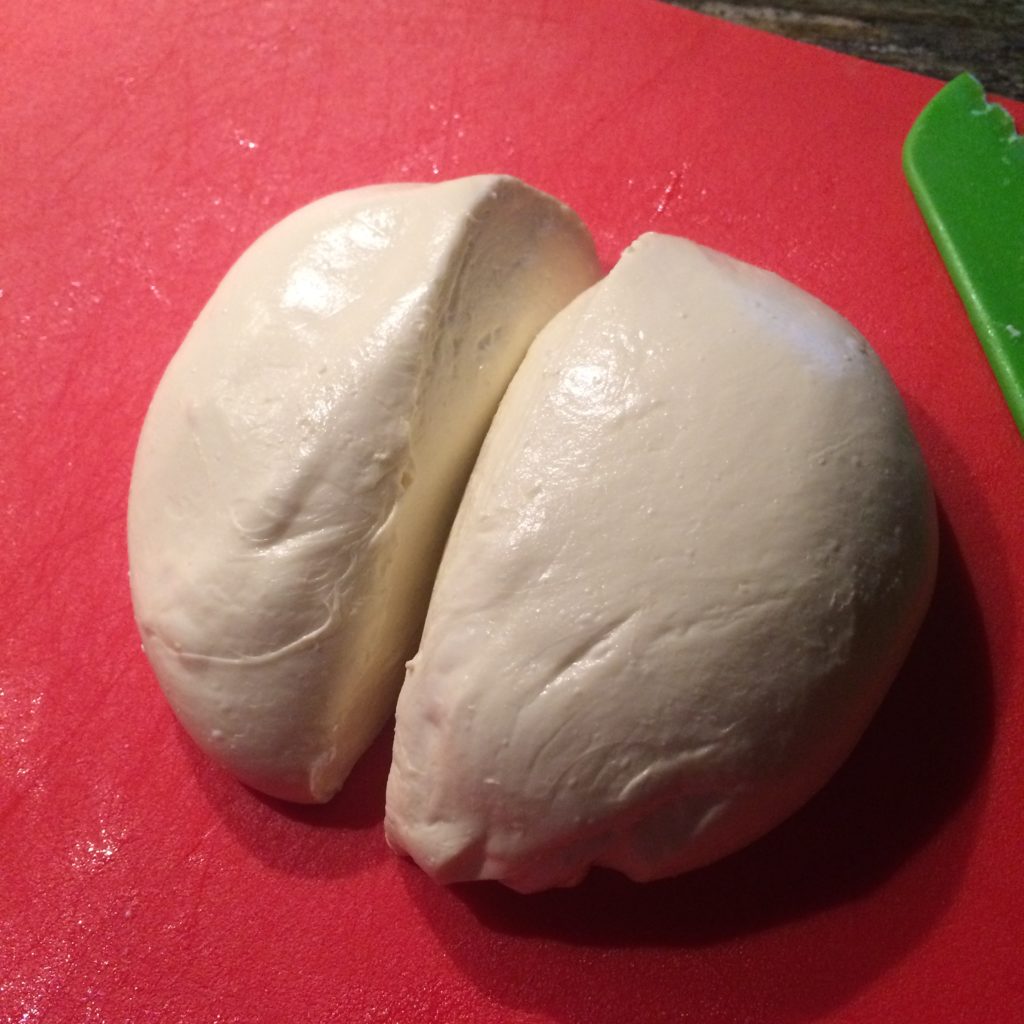
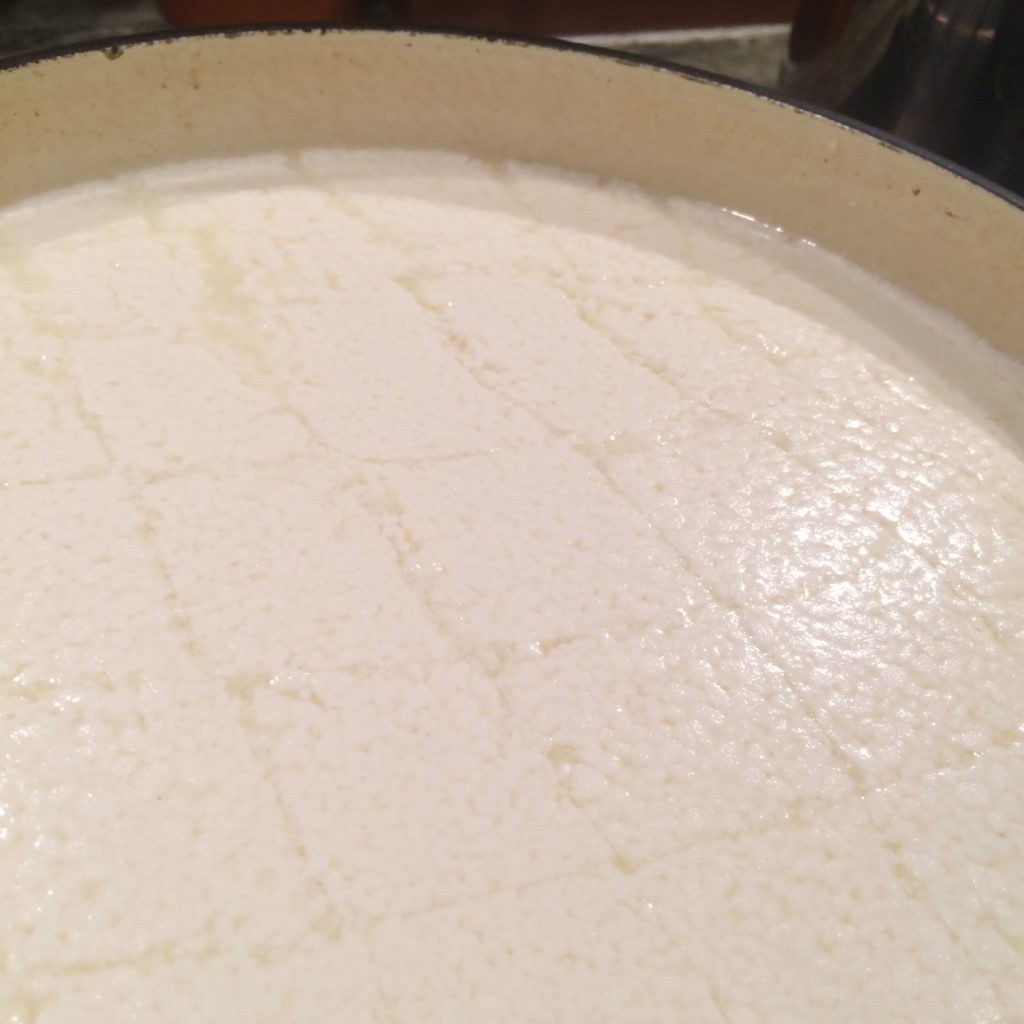 I found it really cool after kneeding and folding the curds when it suddenly turned into the consistency of mozzarella. The recipe makes two big balls of mozzarella, bigger than I expected. There is a ton of whey leftover, which I plan to use all of to make various soups. I plated it up with tomatoes, basil and a splash of caramelised balsamic vinegar. We ate some right away, and the rest two days later, where the cheese had gotten a bit slimy with some sort of white mixture of whey, but a little rinse and it was fine.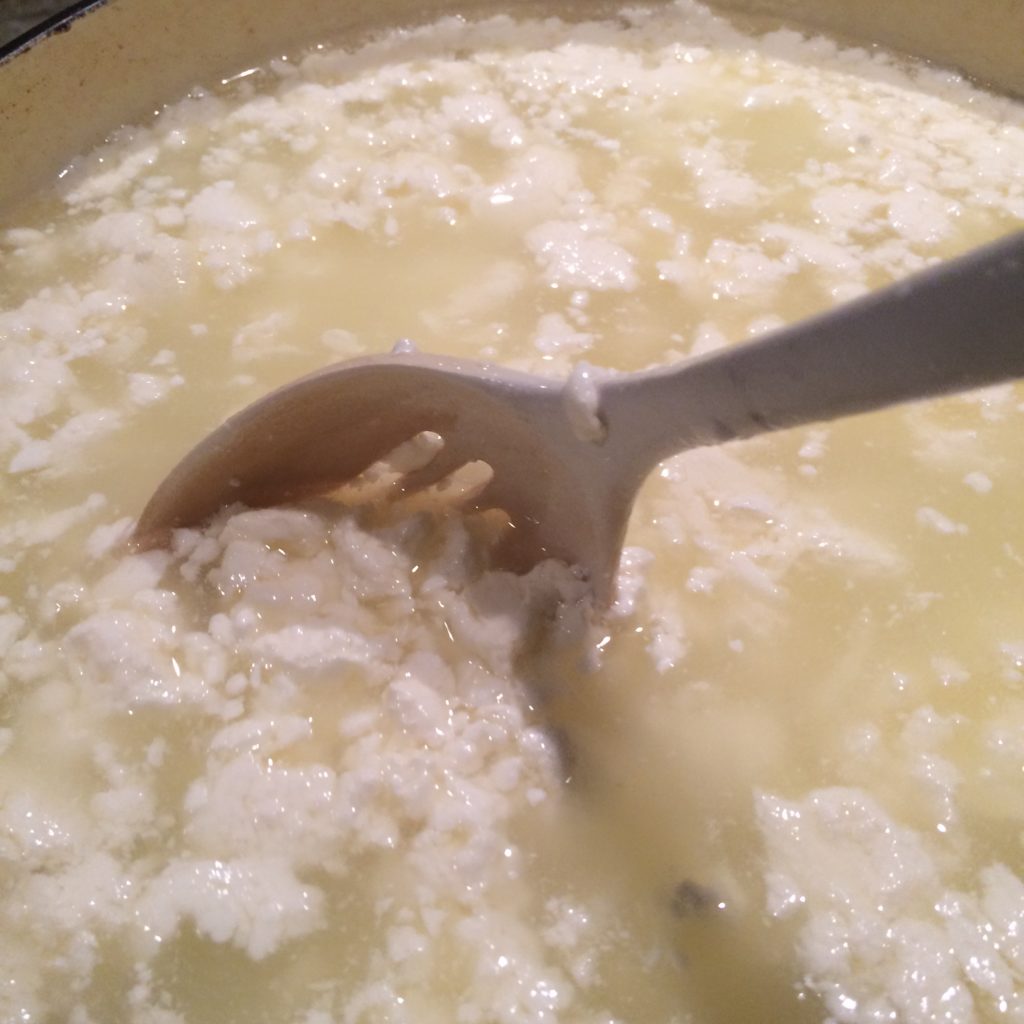
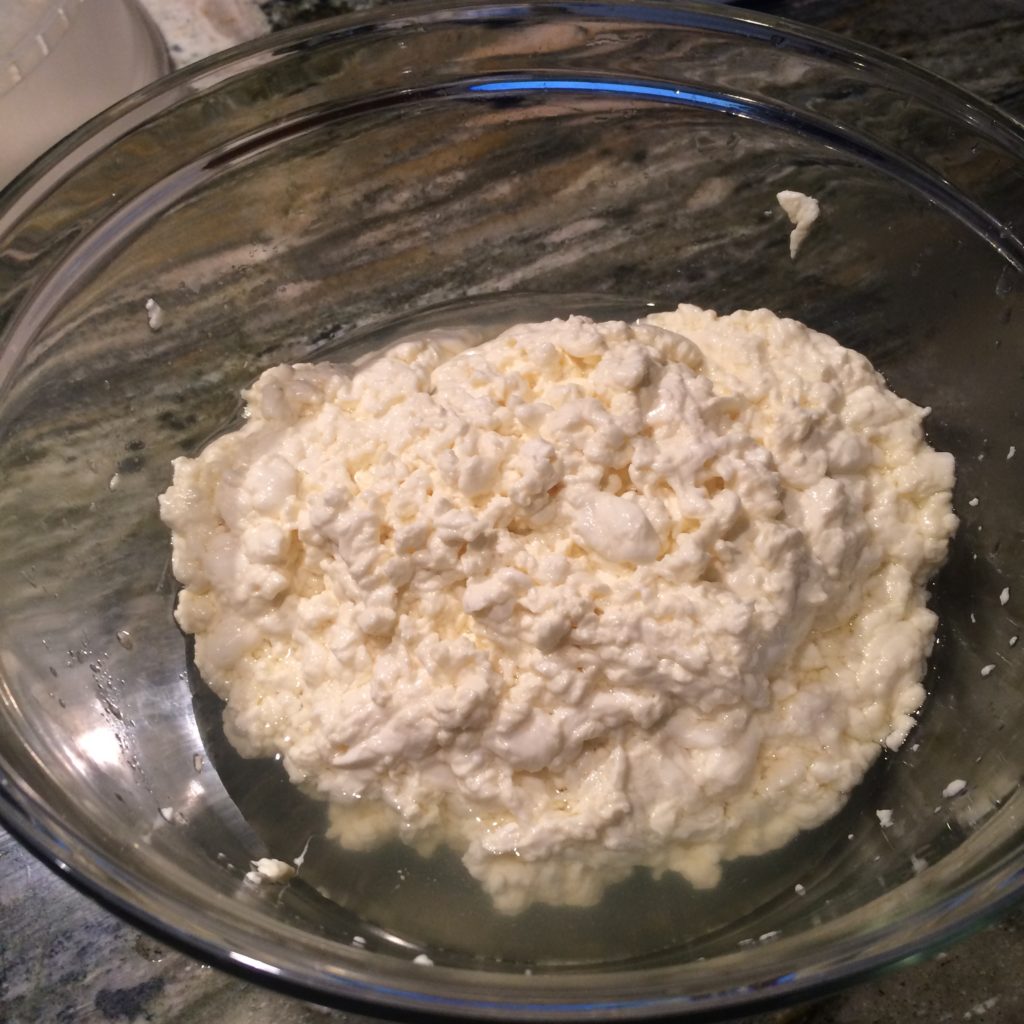 Instructions
 Remove the pot from the heat and continue stirring gently for another 5 minutes.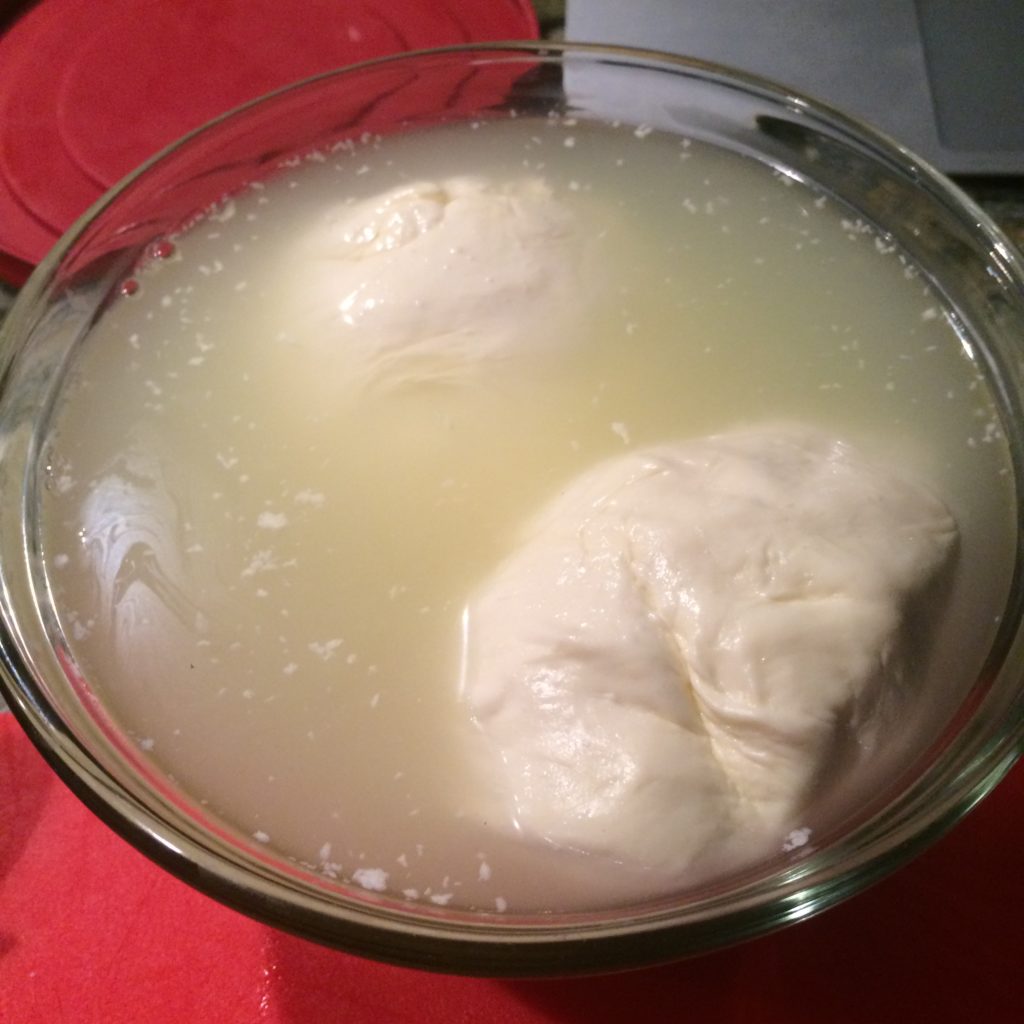
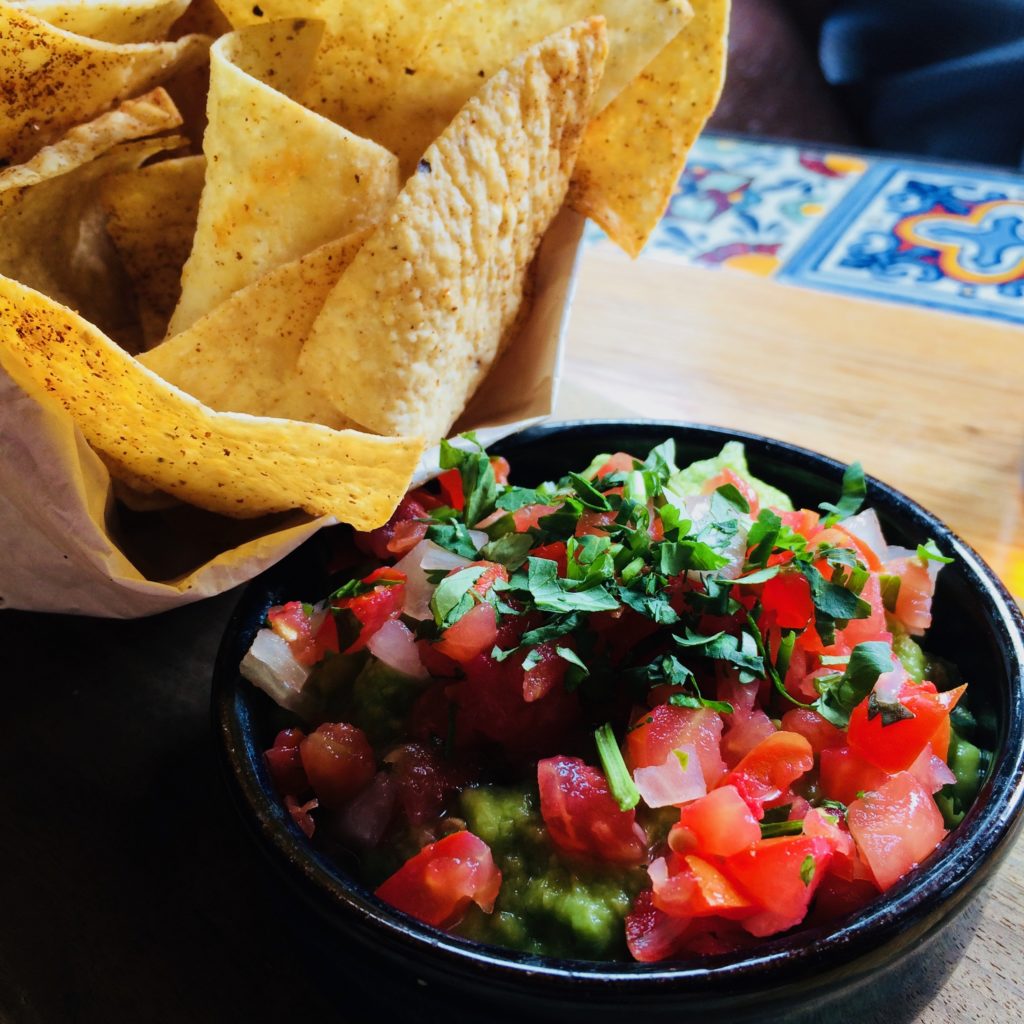 So many restaurants to choose from! We came to Chica Bonita (“Pretty Girl”) because somehow they’ve managed to score a little higher than everywhere else on Zomato. So, why not? And I like Mexican food, the authentic kind and the various alterations.
 We thought the food was tasty enough but nothing special. So perhaps people are swayed by the drinks menu, which sounds kind of fun, honestly.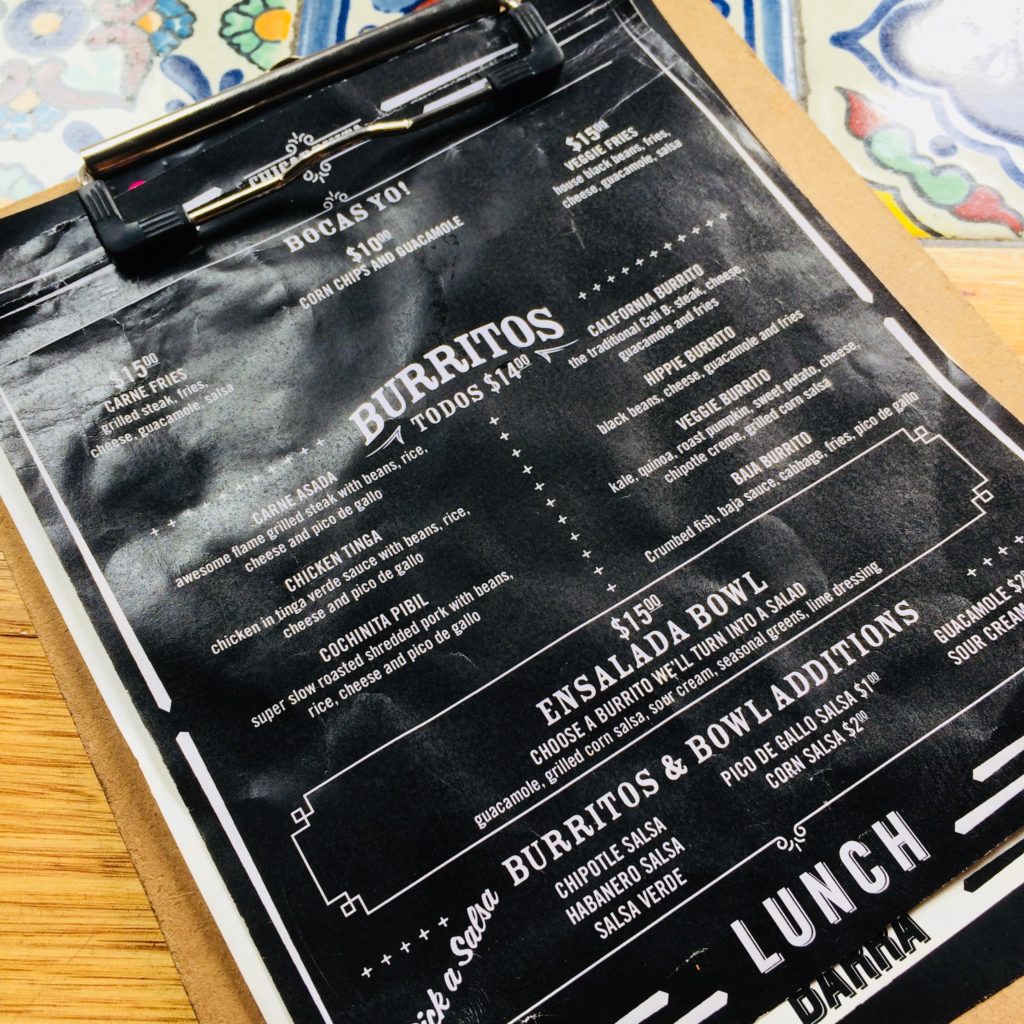
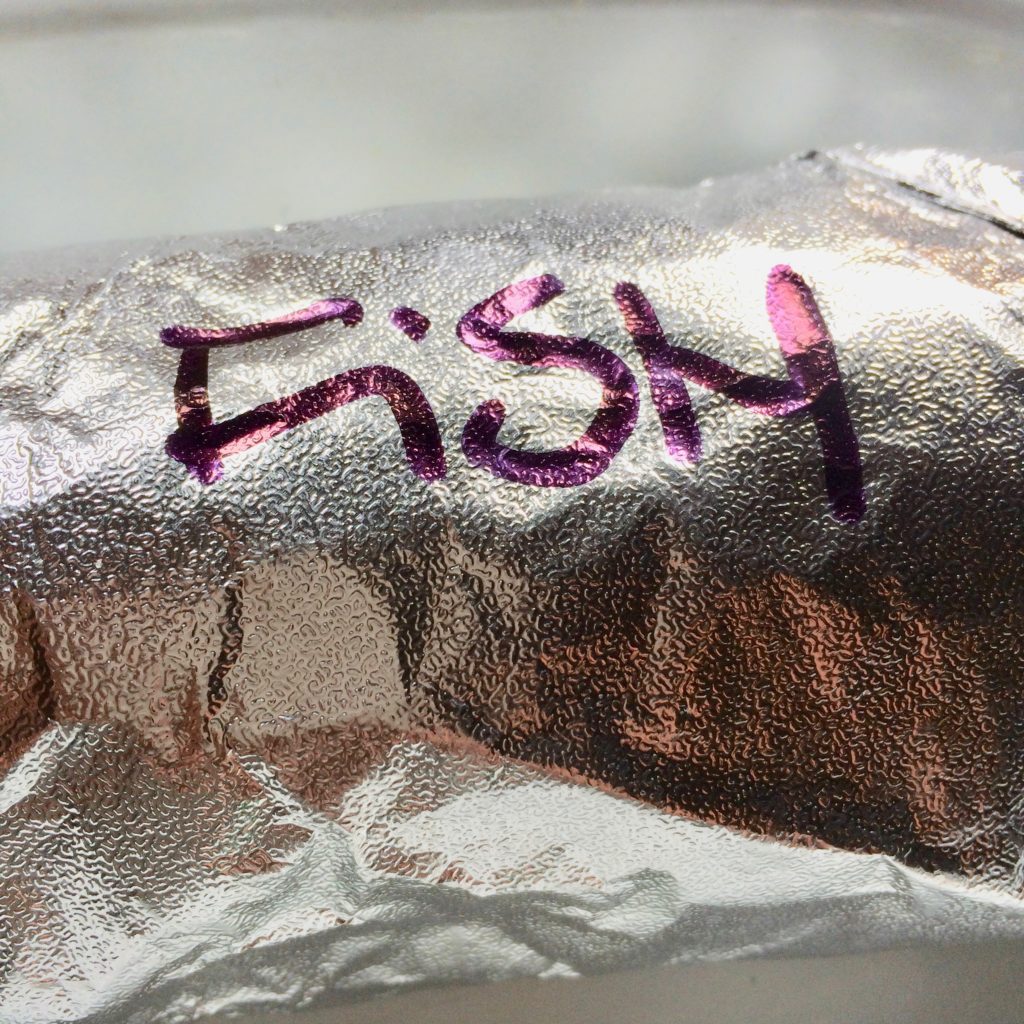
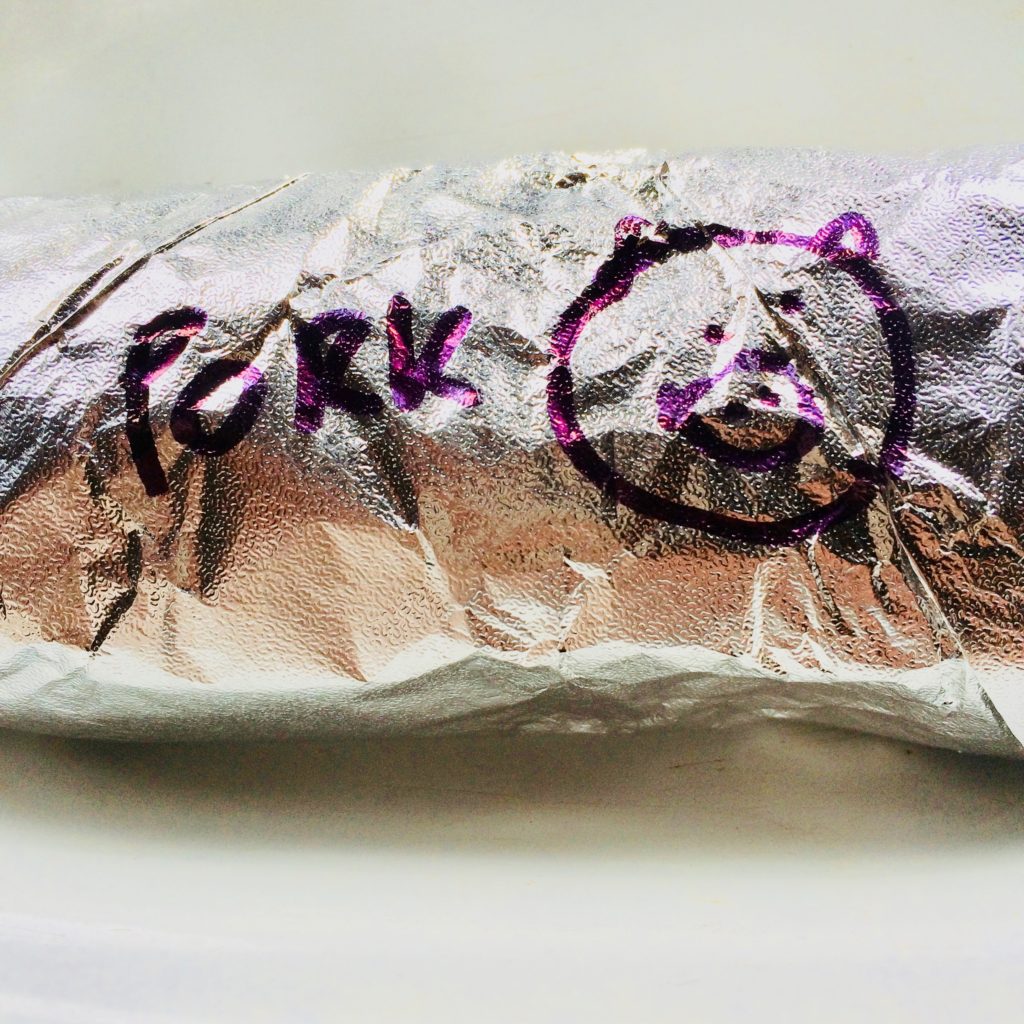 I found the drawings on the tin foil amusing. I actually thought that mine, that actually had french fries (thin ones) inside the burrito, along with the crisp fish, was pretty tasty, and I was really hungry.
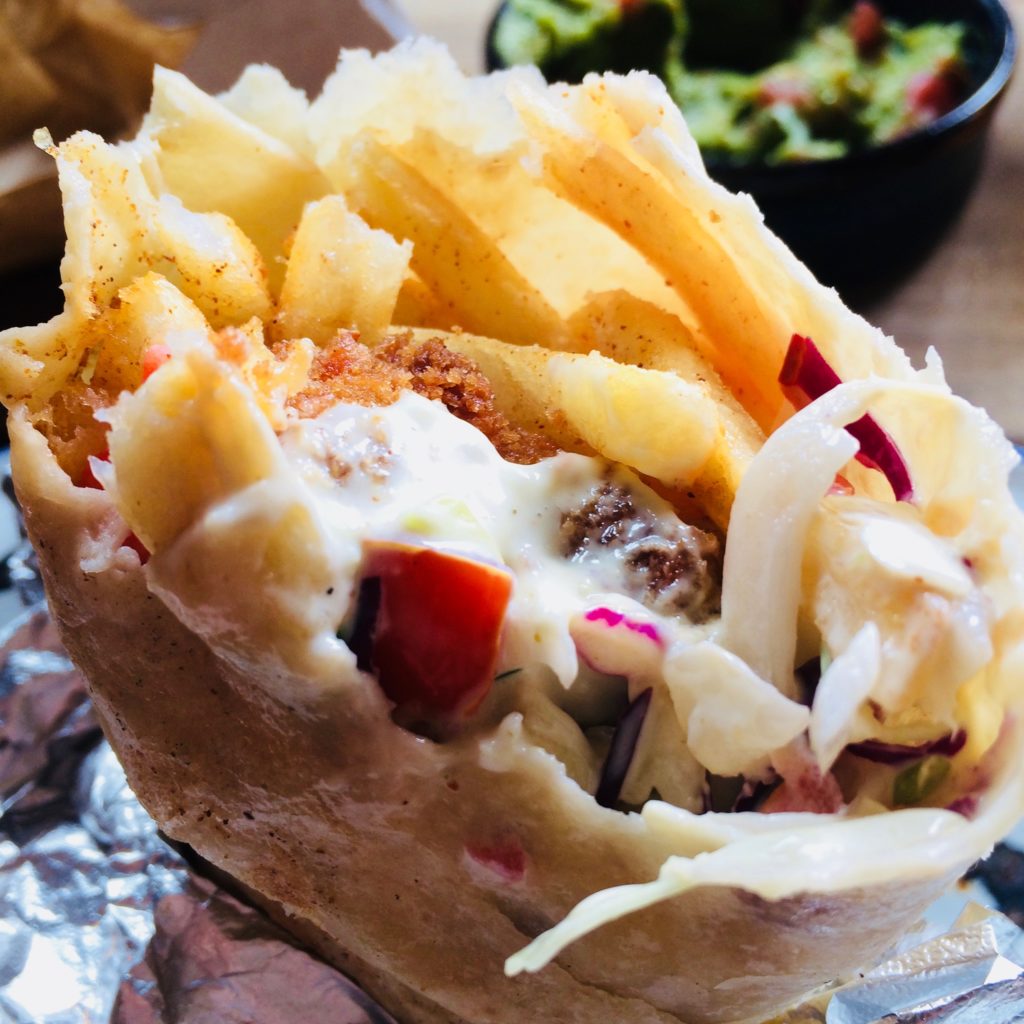 My pal thought his was mediocre.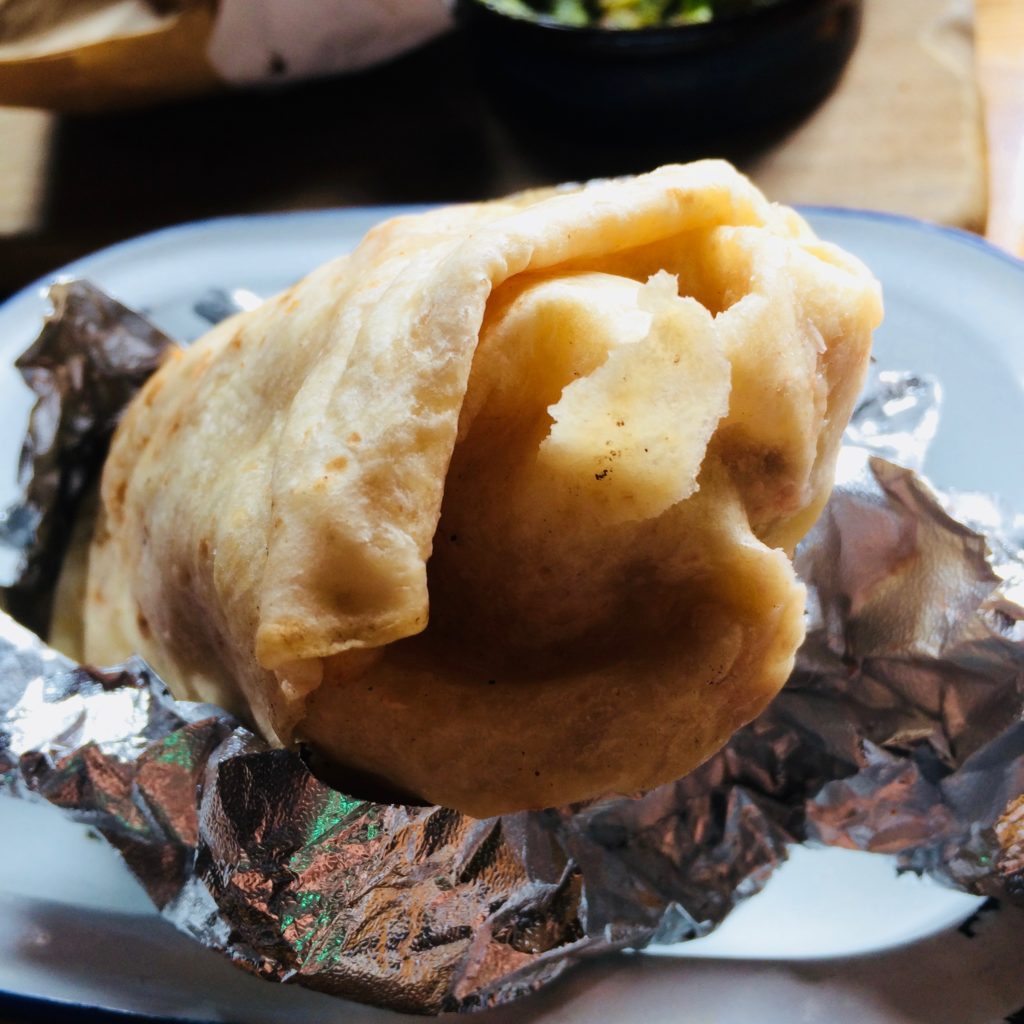
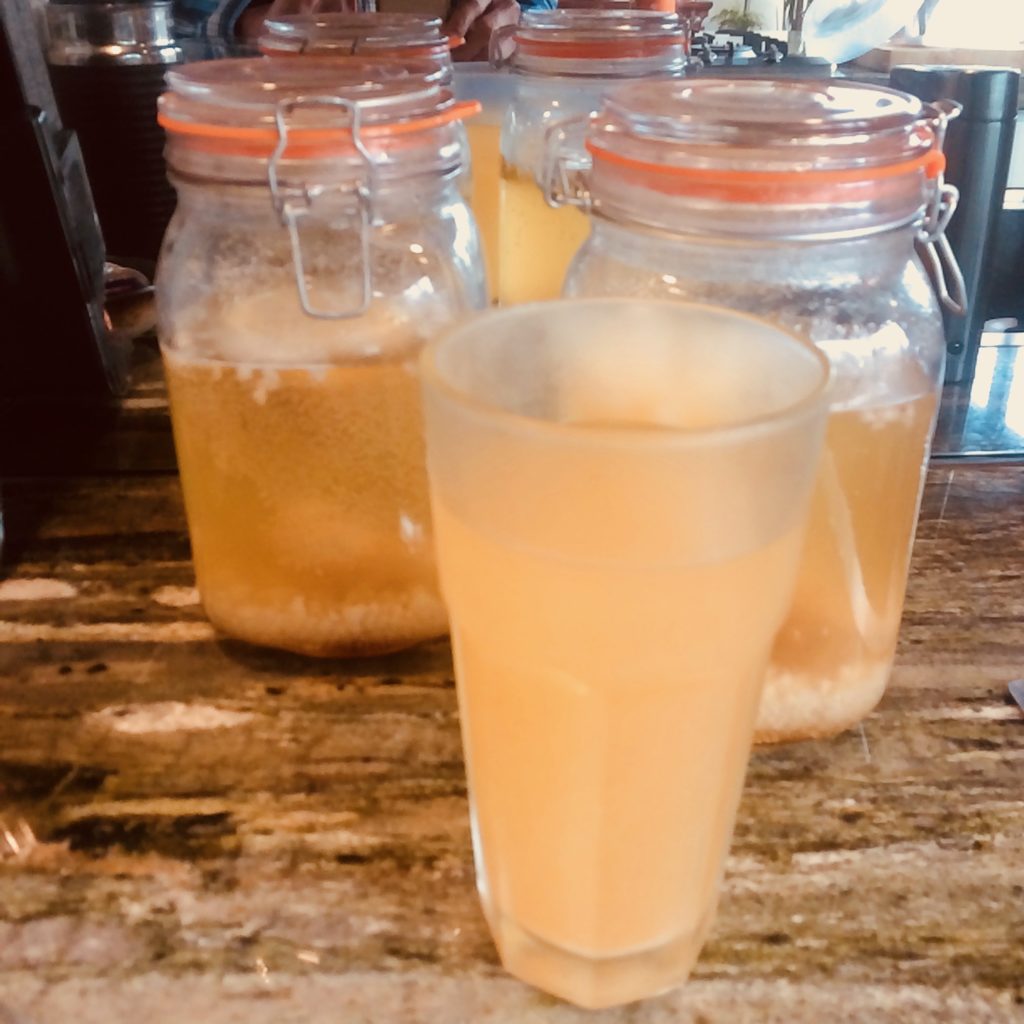
 One my better half’s friends, Marian, introduced us to milk kefir, a few years ago, and then another friend gave us some water kefir grains to try.
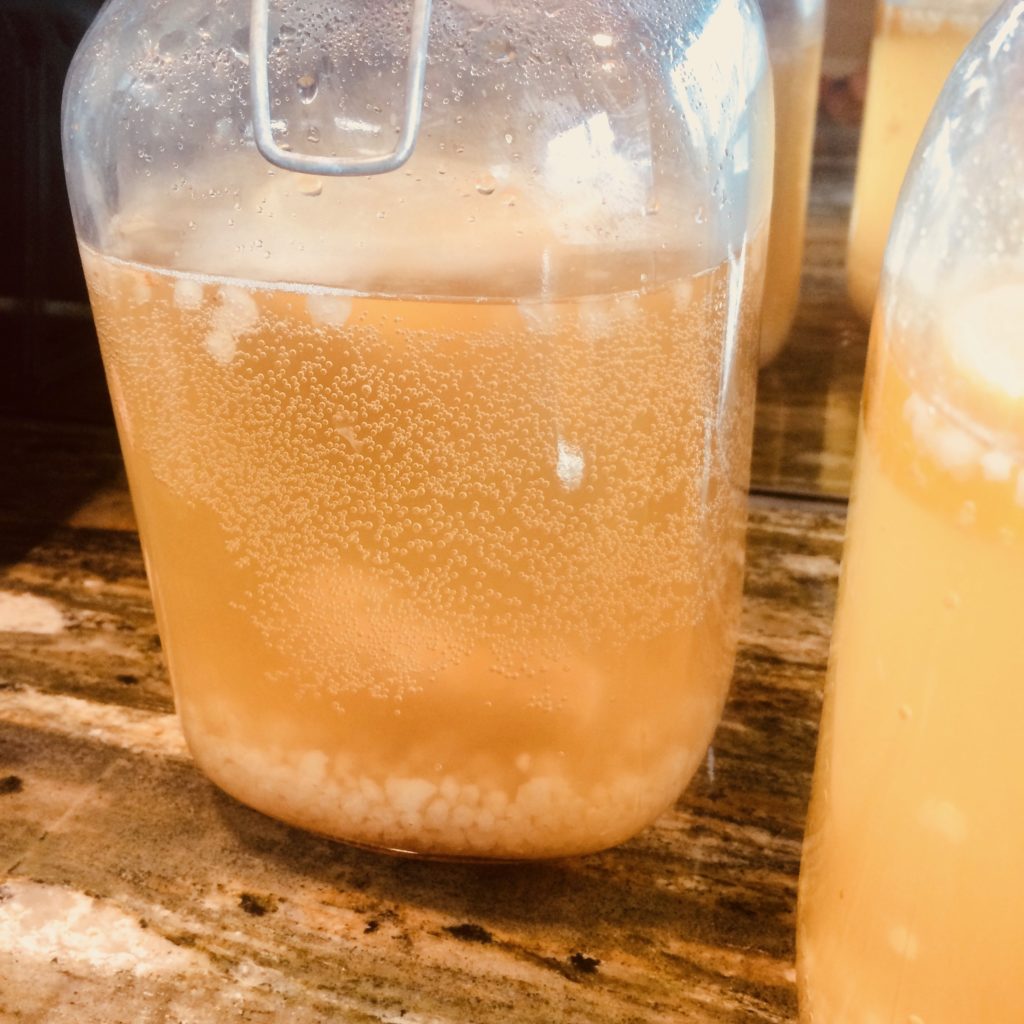 All it takes to make is water kefir grains, water, sugar and a few other ingredients. There are lots of recipes on the web, but here’s an easy method below. The result is a delicious, fizzy drink that tastes sweet but the sugar has been eaten up by the kefir, so it’s supposed to be low in sugars (and calories). Some people go to town and make flavoured versions (after you’ve strained out the grains) by adding fruit like blueberries or strawberries or watermelon. I suspect most of the kefir enthusiasts online would find it sacrilege that I’ve found that it makes a very good gin cocktail…